Main Vaapas Aaunga Rides Word Of Mouth Past Rs 70 Crore Worldwide
Diljit Dosanjh's Partition-era drama has crossed Rs 70 crore worldwide in its third week, turning a modest opener into one of 2026's most talked-about word-of-mouth successes in Hindi cinema.
Commentary & Analysis ·

Main Vaapas Aaunga has delivered one of the more striking box-office stories of the season, crossing the Rs 70 crore worldwide mark in its third week. The Diljit Dosanjh, Sharvari and Vedang Raina starrer never looked like an obvious blockbuster at launch, but sustained audience response has turned the film into a case study in late-building momentum. That trajectory, rather than any single number, is what makes the film worth pausing on: it is not simply a hit, it is a hit that arrived on its own schedule, defying the industry's usual habit of declaring winners and losers within 48 hours of release.
The slow route to success
The milestone matters because Hindi theatrical business is so often judged on opening weekends alone. A modest start is frequently treated as a verdict before a film has had time to travel through reviews, social chatter and personal recommendation. Main Vaapas Aaunga took the slower route: critical appreciation and viewer response gradually widened its reach, and its day-17 numbers have cemented a comeback narrative. In an ecosystem where trade analysts and box-office trackers often move on to the next release within days, a film that keeps building through its second and third weeks is, by definition, swimming against the tide. That it has done so to the tune of Rs 70 crore worldwide suggests the initial muted opening was less a judgment on quality and more a reflection of how difficult it has become for word-of-mouth films to get noticed in a crowded release calendar.
This pattern also says something about how audiences actually consume information about films today. Opening-weekend numbers are shaped heavily by promotional spend, star pull on the first Friday, and the release-week competition. What happens after that first weekend is shaped by something harder to manufacture: whether people who watched the film told others it was worth their time. Main Vaapas Aaunga's climb from a quiet start to a Rs 70 crore worldwide tally is, in effect, a public record of thousands of individual recommendations compounding over three weeks.
Why the story and cast combination worked
The film's Partition-era setting gives it a serious emotional frame, while its star mix reaches multiple audience segments. Dosanjh brings a cross-regional fan base and music-linked appeal, while Sharvari and Vedang Raina draw younger viewers. When a film with historical and romantic weight starts growing after week one, it usually means audiences are responding to feeling and craft rather than marketing noise. This is a notable distinction in a marketplace where trailers, teaser campaigns and social media buzz often front-load a film's commercial fate. A period drama built around a Partition backdrop is not the easiest sell to a multiplex audience raised on spectacle and franchise universes, yet the film's ability to hold and grow its business suggests the emotional register of the story is connecting in a way that clever marketing alone cannot fabricate.
The casting logic behind the film is also worth noting. Diljit Dosanjh's pull extends well beyond a single language market, carrying both his acting profile and his standing as a musical performer into the theatre. Pairing that with Sharvari and Vedang Raina, both of whom appeal strongly to younger cinema-going audiences, gives the film a wider net than a single-star vehicle would typically cast. That combination appears to have helped the film cross generational and regional lines rather than being confined to one core audience segment, which likely contributed to the breadth of its word-of-mouth spread.
What it means for mid-budget cinema
The Rs 70 crore worldwide milestone also reshapes how the industry reads mid-budget, performance-led cinema in a market dominated by franchises, action spectacles and event releases. A film that grows through word of mouth reminds producers that theatrical success can still come from emotional stickiness, strong music and organic recommendation. This is a meaningful signal at a time when studio strategy has increasingly tilted toward high-concept, high-budget tentpoles designed to dominate a single weekend before fading. Main Vaapas Aaunga offers a counter-model: a film that costs less to make and market, but that can still deliver strong returns if given the runway to find its audience.
For financiers and studios weighing greenlight decisions, this kind of outcome complicates the simple risk calculus that favours star-driven spectacle over character-driven storytelling. It suggests there remains a viable commercial lane for films that invest in writing, music and performance rather than scale and marketing spend alone. Whether that lesson is absorbed by decision-makers, or dismissed as an exception, will likely shape how many similarly positioned films get backed in the coming year.
The durability test ahead
The next test is durability: the third-week surge is valuable, but the film's long-term standing depends on how well it holds screens against new releases and whether overseas interest continues. Word-of-mouth momentum is a fragile asset. It can be interrupted the moment a bigger release arrives and multiplexes reallocate screens accordingly, regardless of how well a smaller film is performing per show. The coming weeks will reveal whether Main Vaapas Aaunga can retain enough of its show count to keep converting curious audiences, or whether it will be squeezed out prematurely just as its reputation peaks.
Overseas markets add another dimension to watch. Diaspora audiences, particularly in markets with strong Punjabi and Hindi cinema-going communities, have historically rewarded music-forward, emotionally resonant films with sustained runs. If the film's overseas numbers continue to hold or grow even as the domestic conversation moves on to newer releases, that would reinforce the idea that its appeal is rooted in genuine audience connection rather than a short-lived spike in interest.
The NE Times View
Main Vaapas Aaunga's climb is a healthy corrective to an industry that increasingly writes off films by Sunday night of their opening weekend. Its trajectory suggests Indian audiences remain willing to seek out sincerity and craft — provided exhibitors give such films the screen time to be found. For producers, the lesson is that mid-budget storytelling with strong music and emotional weight is not a dead category; it simply monetises on a longer clock. If distributors and multiplex chains internalise that, 2026 could see more films given room to breathe rather than being buried by week two. That would be good news for filmmakers and filmgoers alike.
There is also a broader industry-wide implication worth flagging. Box-office reporting culture, trade Twitter included, tends to reward instant verdicts because instant verdicts are easier to produce and consume than patient tracking of a film's slow-burn arc. Main Vaapas Aaunga's Rs 70 crore worldwide milestone is a reminder that the instant verdict and the eventual outcome can diverge sharply, and that both exhibitors and commentators may need to build more patience into how they read a film's commercial life. A shift of that kind would not just benefit films like this one; it would arguably produce a healthier, more accurate picture of what Indian audiences actually want from their cinema.
Key takeaways
- Main Vaapas Aaunga crossed Rs 70 crore worldwide in its third week, driven by word-of-mouth growth rather than a strong opening weekend.
- The film's Partition-era setting and the combined pull of Diljit Dosanjh, Sharvari and Vedang Raina helped it reach a broad, cross-generational audience.
- Its trajectory challenges the industry habit of judging films solely on opening-weekend numbers.
- The milestone signals that mid-budget, performance-led cinema can still succeed commercially against franchise and spectacle-driven releases.
- The film's long-term standing now depends on screen retention against new releases and the durability of overseas interest.
You may also like to read
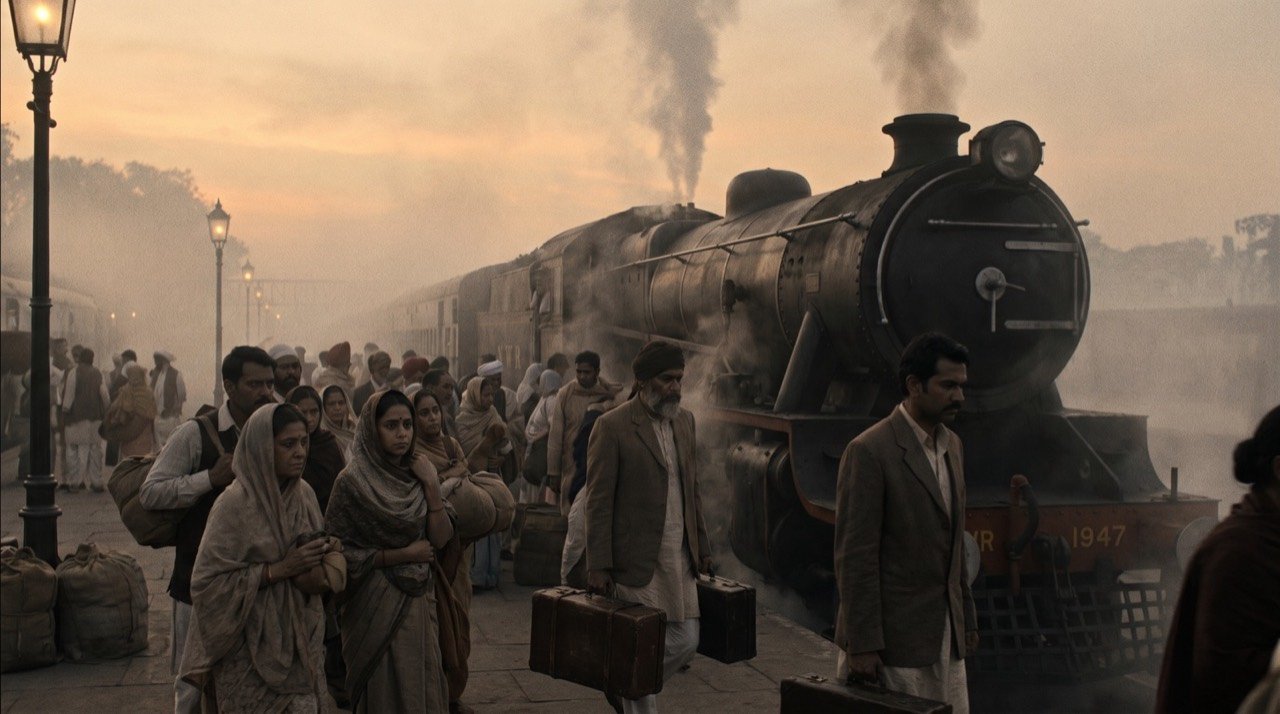
Imtiaz Ali's Partition Drama 'Main Vaapas Aaunga' Builds On A Soft Start
Diljit Dosanjh's emotionally charged Partition-era film opened flat but gained ground over its first weekend on positive word of mouth.
Mahesh Bhatt's Praise Fuels Main Vaapas Aaunga's Quiet Rise
Mahesh Bhatt's appreciation for Imtiaz Ali's Diljit Dosanjh-led drama has added a cultural stamp to a film whose word-of-mouth box-office turnaround is fast becoming part of its identity.
Main Vaapas Aaunga Box Office: Diljit Film Crosses Rs 40 Crore
Diljit Dosanjh's Main Vaapas Aaunga has reportedly crossed Rs 40 crore worldwide after a weekend jump, keeping the Hindi release alive in trade conversation well beyond its opening frame.
Cocktail 2 Crosses Rs 85 Crore Worldwide After First Monday Drop
The Shahid Kapoor, Kriti Sanon and Rashmika Mandanna starrer crossed about Rs 85 crore worldwide after its first Monday, with weekday stability now the decisive test of its run.
More from this section
More
72nd National Film Awards: Fans Back Mammootty, Allu Arjun, Sai Pallavi
Speculation around the 72nd National Film Awards is intensifying as fan communities across India's language film industries champion favourites including Mammootty, Allu Arjun and Sai Pallavi ahead of any official announcement.

Aamir Khan Marries Gauri Spratt in Private Pali Hill Ceremony
Aamir Khan and Gauri Spratt tied the knot at the actor's Pali Hill home in Mumbai on July 5, turning a deliberately small family ceremony into Bollywood's biggest story of the day.

Akanksha Chamola's Lock Upp 2 Confession Sets Reality TV Abuzz
A personal revelation by Akanksha Chamola ahead of Lock Upp 2 has handed the reality show a viral talking point, underlining how confession-driven formats continue to dominate Indian television conversation.