DRDO Tests Missile Defence Interceptors and New Anti-Ship Missile
India conducted a series of flight tests from Odisha in mid-June, validating its Phase-II ballistic missile defence interceptors and carrying out the maiden trial of an indigenous medium-range anti-ship missile.
Commentary & Analysis ·
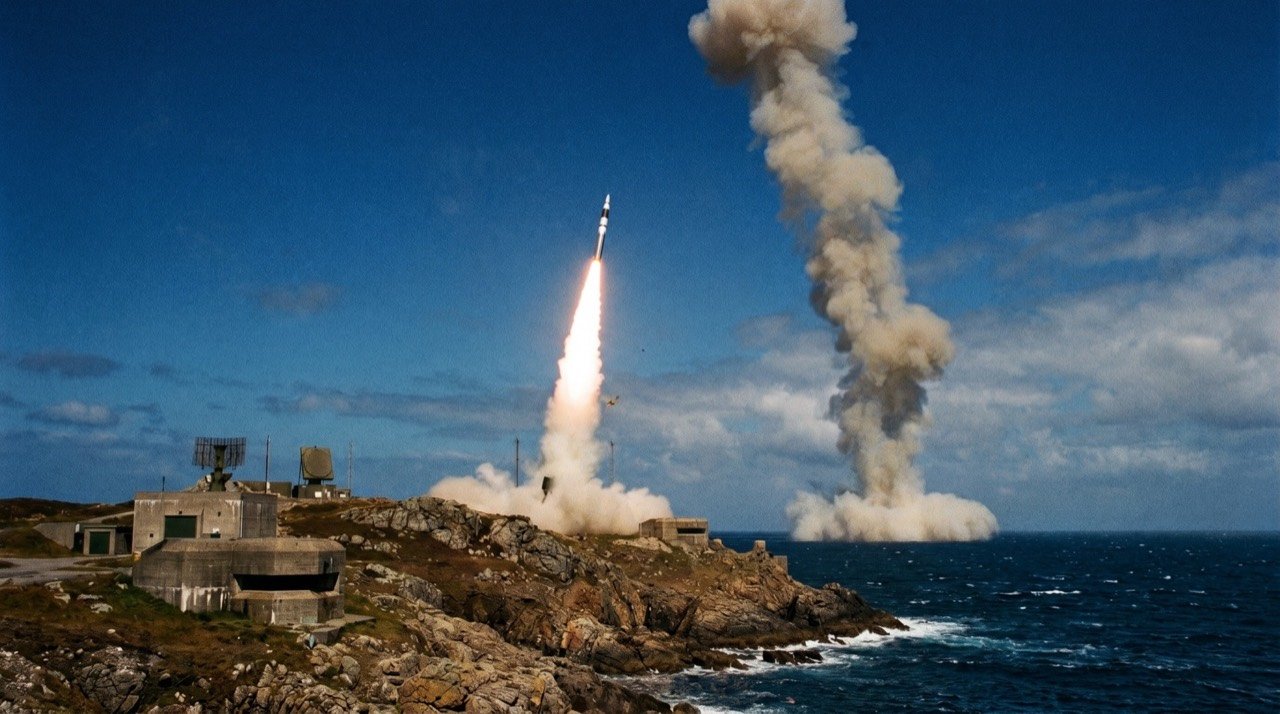
India conducted a cluster of flight tests from Odisha in mid-June, validating its Phase-II ballistic missile defence interceptors and carrying out the maiden trial of an indigenous medium-range anti-ship missile. The Defence Research and Development Organisation carried out three consecutive flight tests from the Integrated Test Range at Chandipur, Odisha, on June 10 and 11, marking a notable step in the country's indigenous defence programme.
Coming in quick succession, the trials touched two distinct strands of military capability at once: defending against incoming ballistic missiles, and giving the Navy a new offensive option against surface ships. Together they underline how India is trying to widen both the shield and the sword of its homegrown arsenal.
Layered ballistic missile defence
The trials included the AD-1 and AD-2 interceptors under the Phase-II Ballistic Missile Defence programme, designed to engage threats ranging from medium-range to long-range ballistic missiles. A layered defence works by giving operators more than one chance to stop an incoming warhead, intercepting threats at different altitudes and ranges so that a miss at one tier can be caught at another.
Officials described the interceptor tests as validating India's layered defence capability, placing the country among a small group of nations with comparable systems. Reliable, indigenously built missile defence is technically demanding, requiring fast radars, precise tracking and interceptors able to close on a target travelling at extreme speed, which is why relatively few countries field such systems.
Maiden anti-ship missile trial
The same window saw the first flight test of the Naval Anti-Ship Missile-Medium Range, intended to give the Indian Navy a modern, home-built option for medium-range anti-ship engagements. A maiden trial is an early proof-of-concept milestone, confirming that the missile's airframe, propulsion and guidance behave as designed before the longer process of refinement and induction begins.
For a navy operating across the Indian Ocean, a domestically produced anti-ship weapon reduces reliance on imports, supports the broader self-reliance push in defence manufacturing, and offers a path to tailoring the missile to local operational needs.
Why it matters
The back-to-back tests illustrate the dual track of India's defence research effort. The work spans both protection and projection, and a successful run of trials helps establish confidence in systems that may take years to move from the test range to frontline service. Key threads from the June trials include:
- AD-1 and AD-2 interceptors under the Phase-II Ballistic Missile Defence programme, aimed at medium- to long-range ballistic threats
- The maiden flight of the Naval Anti-Ship Missile-Medium Range for the Indian Navy
- All conducted from the Integrated Test Range at Chandipur over June 10 and 11
- A continued emphasis on indigenous design and manufacture
Outlook
A clean set of trials is an encouraging signal, but it is only one stage in a long development cycle. Further tests will be needed to firm up performance across varied conditions before either the interceptors or the new anti-ship missile move toward wider deployment. If those follow-on trials hold up, the systems would add meaningful depth to both India's defensive shield and its naval strike options in the years ahead.
The NE Times View
Validating Phase-II BMD interceptors alongside an indigenous anti-ship missile shows India steadily closing capability gaps it once filled through imports. The strategic value lies in self-reliance as much as deterrence. The open question, as always with DRDO, is the pace from successful trial to deployed, scaled inventory, where ambition has historically outrun delivery timelines.
This article is original commentary and analysis by The NE Times. Background facts were referenced from Business Standard and OdishaTV.
You may also like to read

Army Air Defence Training Upgrade Targets Drone and Missile Threats
The Indian Army is acquiring new target systems that simulate drone swarms, helicopters and missile-like threats, sharpening air-defence training for an era of unmanned and smart weapons.

Defence Ministry overhauls spending rules, doubles financial powers of military commanders
The new Delegation of Financial Powers to Defence Services framework, in force from 8 June, lets field commanders clear urgent purchases worth more than Rs 1.25 lakh crore through the revenue route.

General Dwivedi's Tenure Puts Drones and New Battle Formations in Focus
As Army Chief General Upendra Dwivedi nears the end of his tenure on June 30, his legacy is being weighed through accelerated doctrine, drones and reorganised battle formations.
Lt Gen Dhiraj Seth Named Next Army Chief, To Take Charge June 30
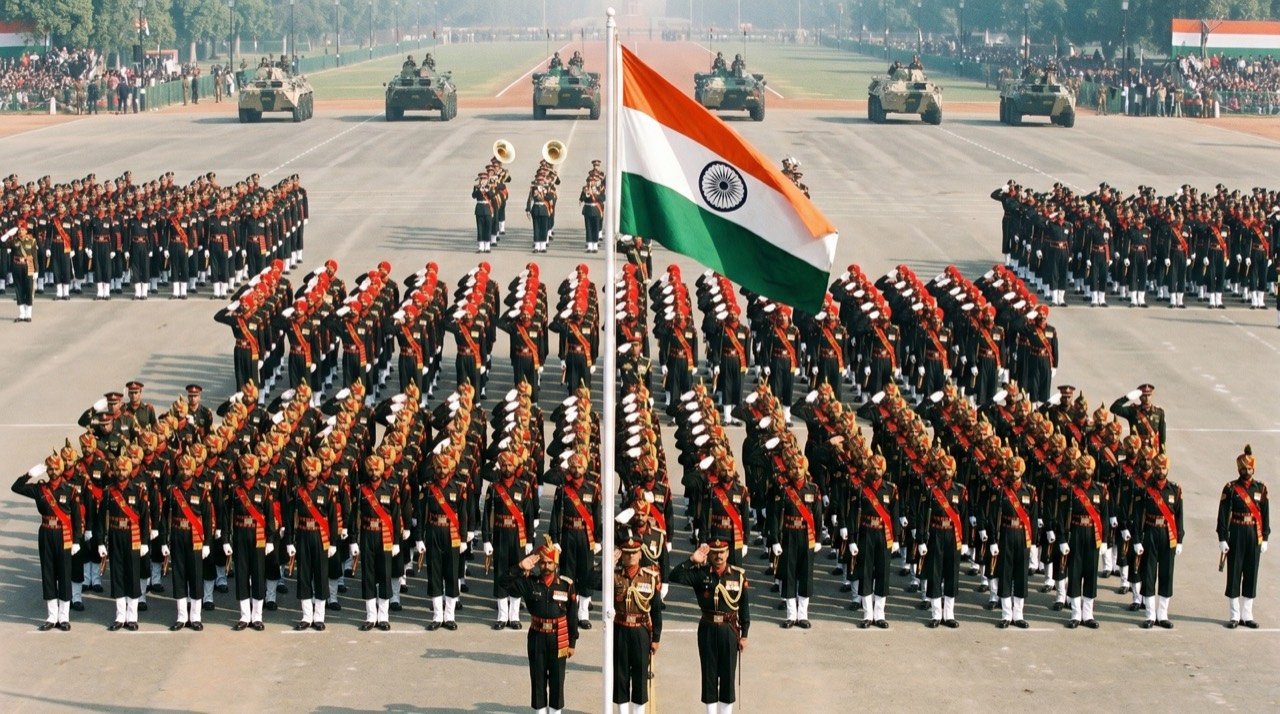
The government has appointed Lieutenant General Dhiraj Seth, currently Vice Chief of the Army Staff, as the next Chief of the Army Staff. He will assume office on June 30.
More from this section
More
AICTE Industry Fellowship 2026: Rs 1.5 Lakh Scheme Closes July 5
The AICTE Industry Fellowship Programme 2026, which places technical-education faculty inside leading companies on a Rs 1.5 lakh monthly stipend, reached its application deadline on July 5.

Bay of Bengal Low Pressure System Revives Monsoon Over Western India
A low-pressure system over the Bay of Bengal has pushed the monsoon back into an active phase, bringing steady heavy rain to Kerala, coastal Karnataka and Maharashtra, and putting Mumbai and Pune on preparedness watch.
Bishnoi Gang Suspects Injured in Haryana Encounter as Police Tighten Net
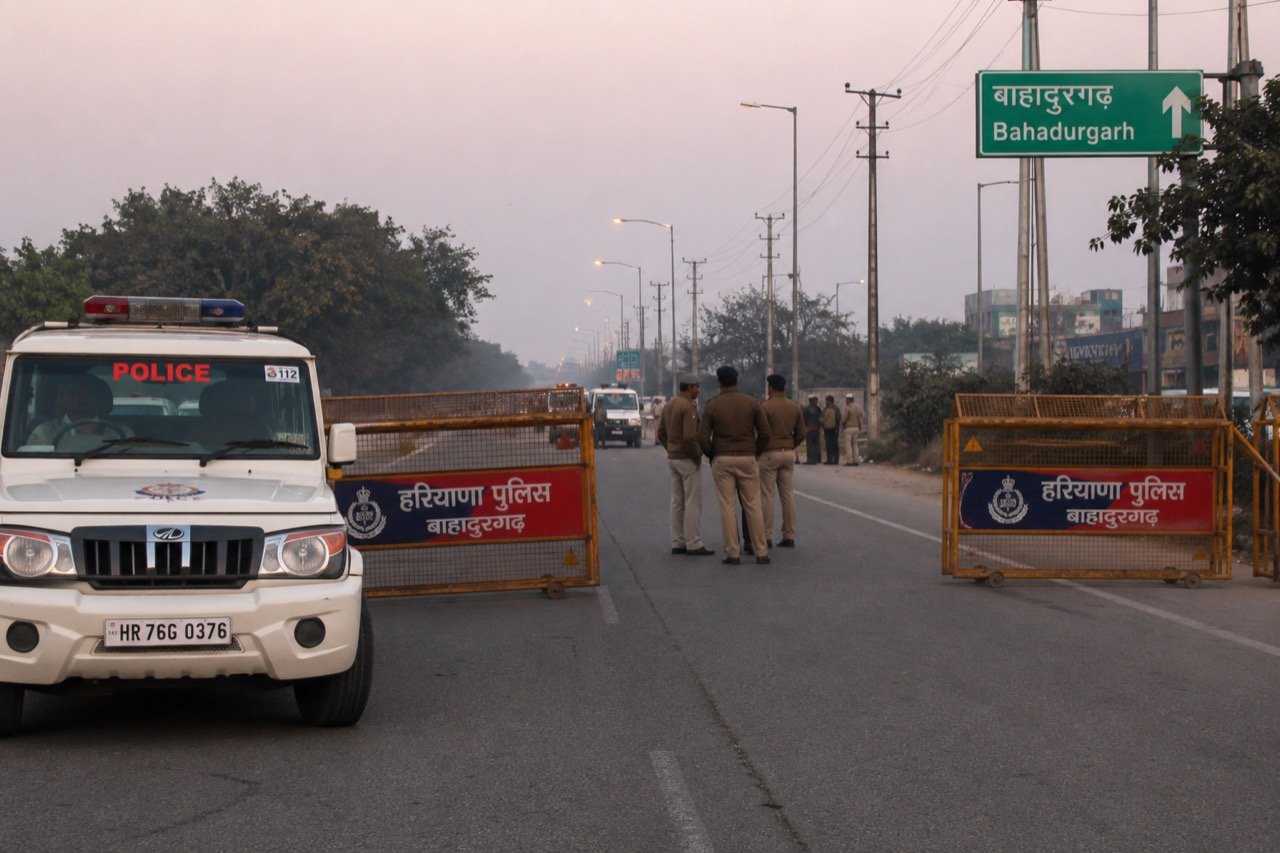
A joint Haryana-Delhi Police operation in Bahadurgarh left two suspected Lawrence Bishnoi gang members injured, spotlighting the multi-state coordination now central to India's fight against organised crime networks.