Dillip Ray Remembered by Film Industry
The death of veteran cinematographer Dillip Ray at 72 has renewed attention on the craft workers whose visual work shapes Indian cinema, while their names rarely reach the public spotlight.
Commentary & Analysis ·
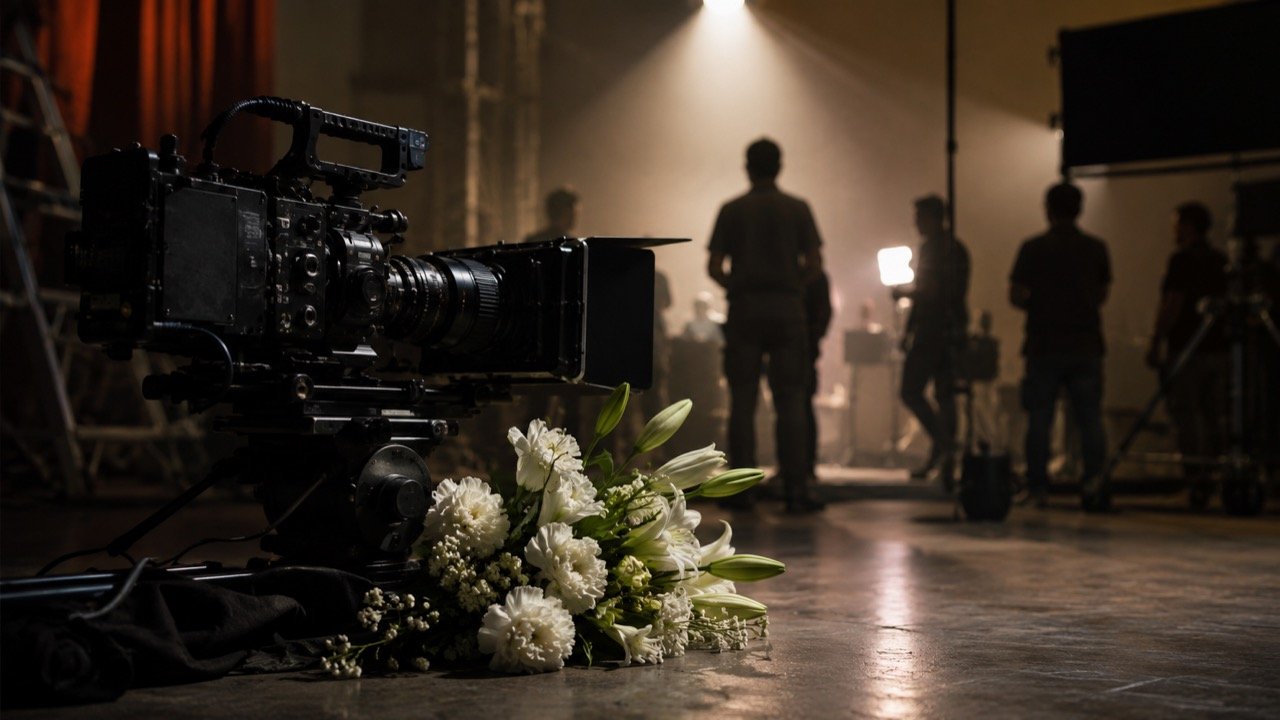
Veteran cinematographer Dillip Ray passed away at the age of 72, a loss that has quietly reverberated through the Indian film industry. NDTV carried the news through a PTI dispatch, placing his passing among the major film-industry developments of the day — yet his name, like those of many skilled technicians, is unlikely to register with general audiences in the way a director's or actor's would.
Ray's career unfolded across an era when Indian film crews were building visual languages under tight schedules, shifting technology and the particular pressures of regional production. A cinematographer of that generation had to be adaptive — working across genres, serving stars, navigating the demands of songs and action sequences, all while maintaining a consistent visual grammar that audiences would feel without consciously noticing.
Obituary stories in cinema frequently reveal an imbalance in public memory. Actors and directors become shorthand for films. Their faces appear on posters. Their interviews fill column inches. Cinematographers carry the weight of mood, movement, framing and continuity, yet their names rarely travel past trade publications and awards shortlists. Ray's passing is a case in point: the announcement arrived in a news digest rather than as a standalone tribute, and for many readers it will prompt the question of which films he lent his eye to.
The role of a cinematographer extends well beyond operating a camera. Each shot involves decisions about lens focal length, the quality and direction of light, the relationship between foreground and background, and the way movement — of subjects or of the camera itself — will read when cut together. In commercial Indian cinema, those decisions must serve the story without upstaging it. The best work is invisible precisely because it is so well-fitted to what surrounds it.
Film industries across India have begun making more formal efforts to document the contributions of editors, stunt coordinators, writers, sound designers and cinematographers. Digital archives and streaming platforms have made older films easier to revisit, and with that access has come a renewed interest in the craft behind the images. Each death from Ray's generation closes a chapter in that living record and narrows the number of people who can speak from first-hand experience about how that work was done.
The NE Times View
The passing of Dillip Ray deserves more than a footnote in a daily entertainment digest. Indian cinema's global profile rests on images — on the quality of light in a scene, the sweep of a landscape, the texture of a face in close-up. Those images are the work of cinematographers, and the culture of celebrity that surrounds the industry has consistently failed to honour that work at the level it merits.
This is not a problem unique to Indian cinema, but it is particularly visible here, where the star system dominates public conversation so thoroughly that technical craft is treated as infrastructure rather than artistry. Ray's death is an occasion to correct that, even briefly. Film schools, streaming platforms and archival bodies have tools that were unavailable a generation ago. Building indexed records of a cinematographer's complete body of work — accessible to students, critics and general viewers — is not a large undertaking, and it would make a meaningful difference to how the industry is understood and taught.
The audience, too, carries some responsibility. Seeking out the names on a film's technical credits, and treating cinematography as a subject worth following, changes what gets celebrated and what gets preserved. Dillip Ray spent decades shaping how Indian audiences saw the world on screen. That contribution should be remembered clearly, not left to drift in a wire agency's daily listings.
This article is original commentary and analysis by The NE Times. Background facts were referenced from NDTV.
You may also like to read
Sonali Kulkarni's National Award Memory Opens a Candid Conversation
Sonali Kulkarni's honest admission about feeling jealous when Tabu won the National Award she wanted offers a rare, refreshing glimpse into the emotional reality of artistic ambition in Indian cinema.
72nd National Film Awards: Fans Back Mammootty, Allu Arjun, Sai Pallavi
Speculation around the 72nd National Film Awards is intensifying as fan communities across India's language film industries champion favourites including Mammootty, Allu Arjun and Sai Pallavi ahead of any official announcement.
Main Vaapas Aaunga Box Office: Diljit Film Crosses Rs 40 Crore
Diljit Dosanjh's Main Vaapas Aaunga has reportedly crossed Rs 40 crore worldwide after a weekend jump, keeping the Hindi release alive in trade conversation well beyond its opening frame.
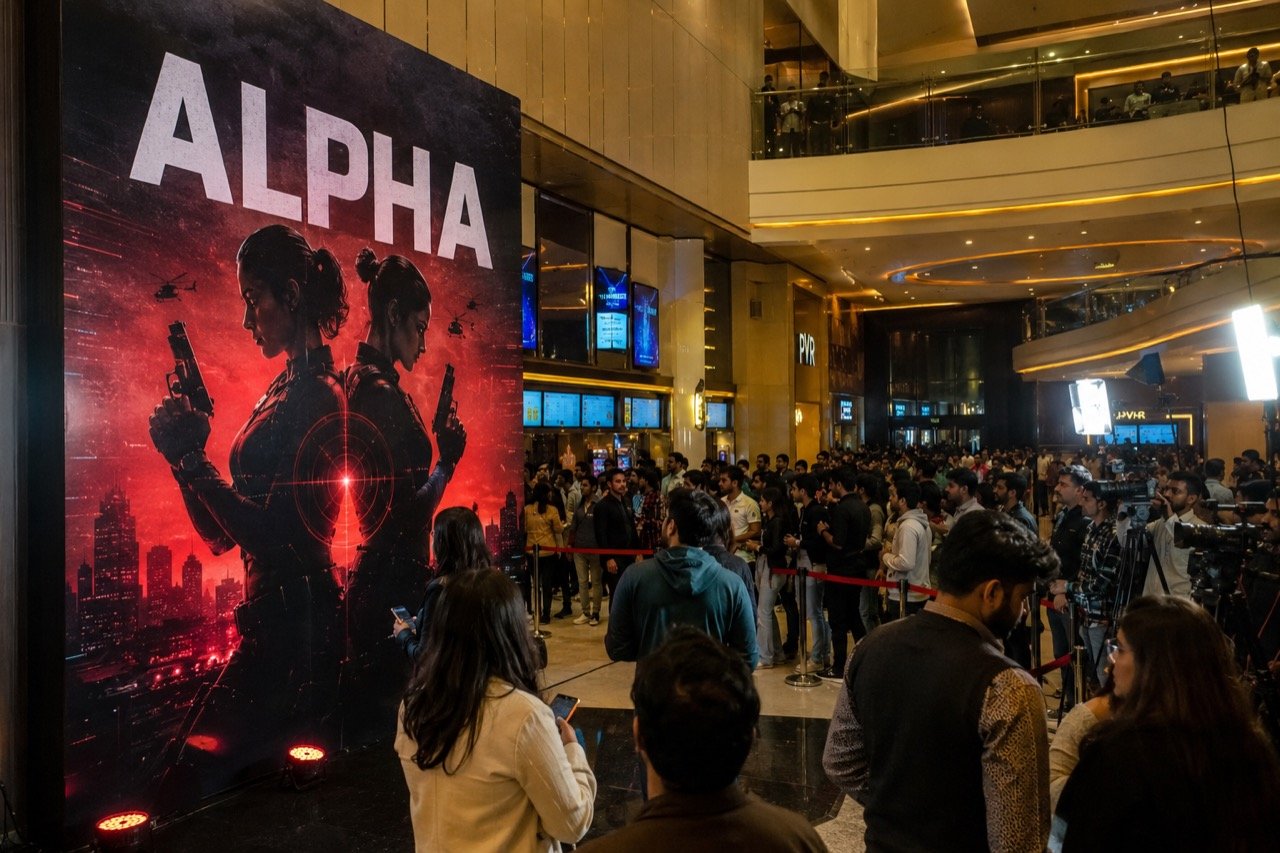
Alpha Box Office: Alia Bhatt's YRF Spy Film Opens Amid Loud Debate
Alia Bhatt and Sharvari's Alpha, the first female-fronted entry in the YRF Spy Universe, opened to better-than-expected numbers even as online trolling and industry pushback made it the weekend's noisiest Hindi cinema story.
More from this section
More72nd National Film Awards: Fans Back Mammootty, Allu Arjun, Sai Pallavi
Speculation around the 72nd National Film Awards is intensifying as fan communities across India's language film industries champion favourites including Mammootty, Allu Arjun and Sai Pallavi ahead of any official announcement.

Aamir Khan Marries Gauri Spratt in Private Pali Hill Ceremony
Aamir Khan and Gauri Spratt tied the knot at the actor's Pali Hill home in Mumbai on July 5, turning a deliberately small family ceremony into Bollywood's biggest story of the day.
Akanksha Chamola's Lock Upp 2 Confession Sets Reality TV Abuzz
A personal revelation by Akanksha Chamola ahead of Lock Upp 2 has handed the reality show a viral talking point, underlining how confession-driven formats continue to dominate Indian television conversation.