Awarapan 2 Teaser: Emraan Hashmi Returns As Shivam Pandit
Dropped on the original film's anniversary, the Awarapan 2 teaser brings Emraan Hashmi back as Shivam Pandit and adds Disha Patani, selling the sequel as an emotional continuation rather than a brand revival.
Commentary & Analysis ·

The new teaser for Awarapan 2 has turned a sequel announcement into a full-scale nostalgia moment for Hindi film audiences. Timed around the nineteenth anniversary of the 2007 original, the first look brings Emraan Hashmi back as Shivam Pandit and pitches the sequel as an emotional continuation rather than a simple brand revival, ahead of a reported April 2026 release. For a title that has spent nearly two decades circulating through word of mouth rather than box-office records, this is not a routine marketing beat. It is a calculated reintroduction of a character audiences never quite let go of.
Why the timing matters
The sharpest angle here is timing. Awarapan has survived for years as a cult title, kept alive by its music, television reruns, streaming discovery and fan edits. By choosing the original's anniversary window for the teaser, the makers speak directly to that long afterlife, signalling that they understand the emotional charge around Shivam's story and are not treating the property as just another franchise label. Anniversary-linked releases are a deliberate marketing choice: they invite comparison with the original on the makers' own terms, at a moment when nostalgia is already primed in the public conversation, rather than leaving that comparison to chance whenever the sequel eventually surfaces.
This is a meaningfully different approach from the way most delayed franchise films are marketed, where the gap between instalments is treated as a liability to be minimised or explained away. Here, the gap itself, all nineteen years of it, is being folded into the pitch. The message to longtime fans is implicit but clear: the makers know how long this has taken, and they are choosing to lean into that history rather than downplay it.
A film that lived on outside the box office
The teaser also lands in a market where mid-2000s Hindi cinema nostalgia has become commercially potent again. Viewers who first watched Awarapan in theatres are now part of the core paying audience for legacy sequels, while younger audiences discover such films through clips and streaming recommendations. That two-layer base gives Awarapan 2 a stronger discovery platform than most delayed sequels enjoy. Few films from that era have had quite this trajectory: a modest theatrical run followed by a much larger afterlife driven by music, satellite reruns and, more recently, algorithmic rediscovery on streaming platforms.
That afterlife matters commercially because it means Awarapan 2 does not need to build an audience from scratch. It inherits one, already emotionally invested, already familiar with the tone and the songs, and already primed to show up opening weekend simply to see whether the sequel honours what came before. Few properties get that kind of built-in goodwill without having to earn it through a successful predecessor at the box office itself.
New faces, old wounds
Disha Patani's entry adds fresh curiosity, with her promotional line about an old relationship with pain suggesting the film will lean into the bruised romantic tone that defined the original. Her casting signals that the makers are not simply recycling the first film's plot beats but are threading a new relationship into Shivam's story, one framed explicitly around pain and history rather than a clean romantic reset. That framing is consistent with what made the first Awarapan resonate: it was never a straightforward action or romance vehicle, but a study in emotional damage.
For Hashmi, the return is career-significant. Shivam Pandit remains one of his most discussed characters, a role that, alongside a handful of others from that period, helped define the moody, morally compromised leading-man persona he became known for. Returning to it nearly two decades later is as much a statement about his own career arc as it is about the franchise. The challenge is balance: Awarapan's appeal lay in music, melancholy and moral loneliness, and the sequel must update that world without flattening its mood into generic action. A sequel arriving in 2026 will inevitably be shaped by contemporary genre conventions, faster pacing, more overt spectacle, and the risk is that those conventions dilute precisely the qualities that made the original endure.
What stakeholders are watching for
For the makers, the immediate task is converting teaser-stage goodwill into ticket sales without over-promising. Nostalgia-driven marketing raises expectations quickly, and those expectations are unforgiving if the finished film does not match the tone the teaser has promised. For Hashmi, the stakes are personal as much as commercial: a mishandled sequel risks retroactively diminishing a character closely tied to his identity as an actor, while a well-judged one could cement Shivam Pandit as a rare Hindi cinema figure to receive a genuinely earned continuation.
For the wider industry, Awarapan 2 is also a test case. If the anniversary-timed, mood-first approach to marketing works commercially, it offers other studios a template for reviving mid-2000s properties that built cult followings without matching box-office numbers at the time. If it does not, it will be read as a caution against assuming that streaming-era nostalgia automatically converts into theatrical revenue.
The NE Times View
Awarapan 2 is the clearest sign yet that Bollywood's nostalgia economy is maturing from lazy brand extensions into carefully staged emotional revivals. Anniversary-timed teasers and mood-first marketing show the makers have studied why the original endured, which is more homework than most legacy sequels bother with. But nostalgia buys attention, not forgiveness: if the film trades its melancholic soul for franchise-scale action, the very fans it is courting will be its harshest critics. The music, more than any star, will decide whether this sequel earns its inheritance. For now, the teaser has done its job, the burden of proof has shifted to the film itself.
That burden will only grow heavier as the reported April 2026 release date approaches. Every subsequent trailer, song release and promotional appearance will be measured against the emotional register the teaser has now set. Having chosen to invoke the original's anniversary so deliberately, the makers have effectively volunteered Awarapan 2 for direct comparison with a film audiences have had nineteen years to romanticise. That is a considerable risk to take on, but it is also, arguably, the only honest way to market a sequel to a film whose value was never really about numbers in the first place.
Key takeaways
- The Awarapan 2 teaser was deliberately timed to the nineteenth anniversary of the 2007 original, positioning the sequel as an emotional continuation rather than a routine franchise revival, ahead of a reported April 2026 release.
- Awarapan's long afterlife through music, television reruns and streaming discovery gives the sequel a built-in two-layer audience of original fans and newer discoverers, a stronger discovery platform than most delayed sequels enjoy.
- Disha Patani joins Emraan Hashmi, who returns as Shivam Pandit, with her promotional messaging pointing to a continuation of the original's bruised, melancholic romantic tone.
- The central creative risk is tonal dilution: the original's identity rested on music, melancholy and moral loneliness, qualities that could be lost if the sequel shifts toward generic franchise-scale action.
- The teaser has generated attention and goodwill, but the finished film, and specifically its music and mood, will determine whether that goodwill converts into a genuinely earned sequel rather than a nostalgia-trading misstep.
You may also like to read
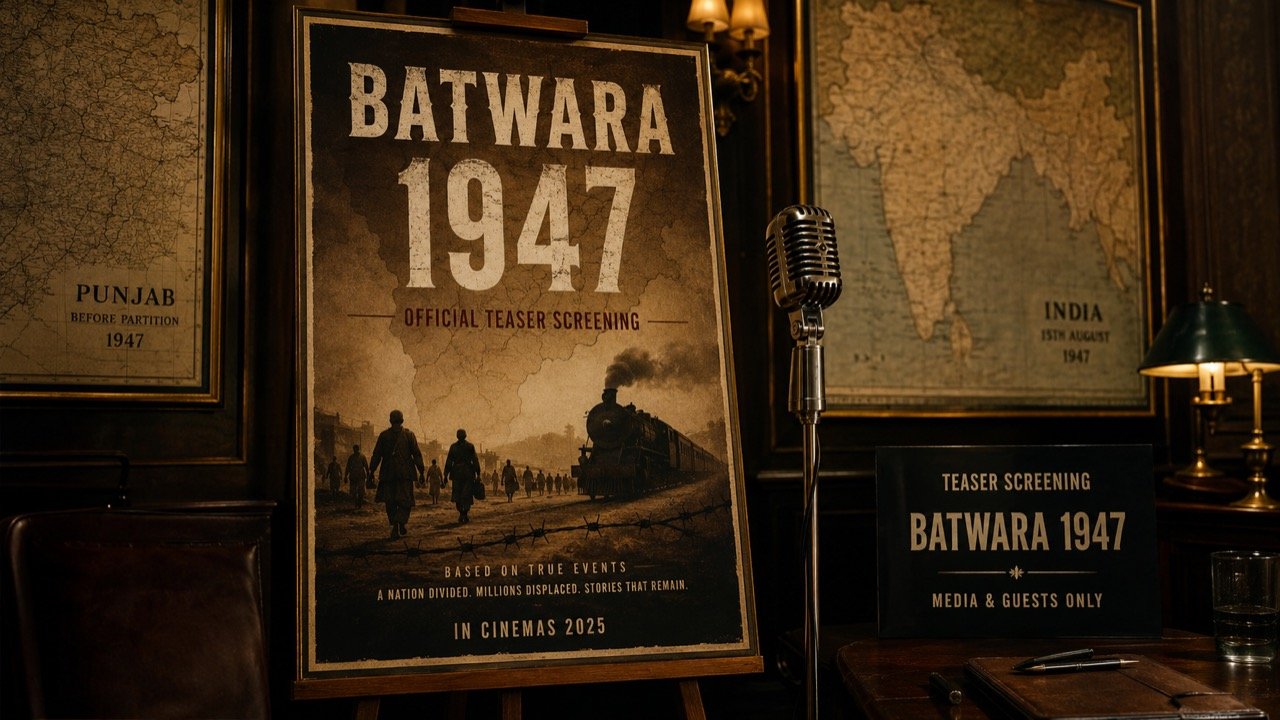
Batwara 1947 Teaser: Bobby Deol Backs Sunny Deol's Period Drama
Bobby Deol's enthusiastic response to the Batwara 1947 teaser has handed Sunny Deol's Aamir Khan Productions period drama a fresh burst of family-powered publicity ahead of its planned release.

'Alpha' Teaser Launches YRF Spy Universe's First Female-Led Thriller
Yash Raj Films unveiled the teaser for Alia Bhatt and Sharvari's spy thriller, the franchise's first action film fronted by women, ahead of a July release.

The Couch Returns: Karan Johar Confirms Koffee With Karan Season 9 for Diwali 2026 With a Sharper, Snappier Format
India's most gossiped-about chat show is brewing again, with the filmmaker promising a revamped, faster-paced edition for a digital generation and teasing a guest list that reaches well beyond his usual Bollywood circle.

Aamir Khan Confirms July 5 Wedding to Gauri Spratt: 'The News About the Marriage Is True'
The 61-year-old superstar has put months of speculation to rest, confirming an intimate registered marriage to longtime partner Gauri Spratt at his Mumbai home, with no grand celebration planned.
More from this section
More
72nd National Film Awards: Fans Back Mammootty, Allu Arjun, Sai Pallavi
Speculation around the 72nd National Film Awards is intensifying as fan communities across India's language film industries champion favourites including Mammootty, Allu Arjun and Sai Pallavi ahead of any official announcement.

Aamir Khan Marries Gauri Spratt in Private Pali Hill Ceremony
Aamir Khan and Gauri Spratt tied the knot at the actor's Pali Hill home in Mumbai on July 5, turning a deliberately small family ceremony into Bollywood's biggest story of the day.

Akanksha Chamola's Lock Upp 2 Confession Sets Reality TV Abuzz
A personal revelation by Akanksha Chamola ahead of Lock Upp 2 has handed the reality show a viral talking point, underlining how confession-driven formats continue to dominate Indian television conversation.