Mist, Waterfalls and Cheaper Fares: The Western Ghats Beckon This Monsoon
With an early monsoon onset and below-normal rainfall forecasts, the Western Ghats offer rain-washed hill stations and waterfalls at a fraction of peak-season travel costs in 2026.
Commentary & Analysis ·
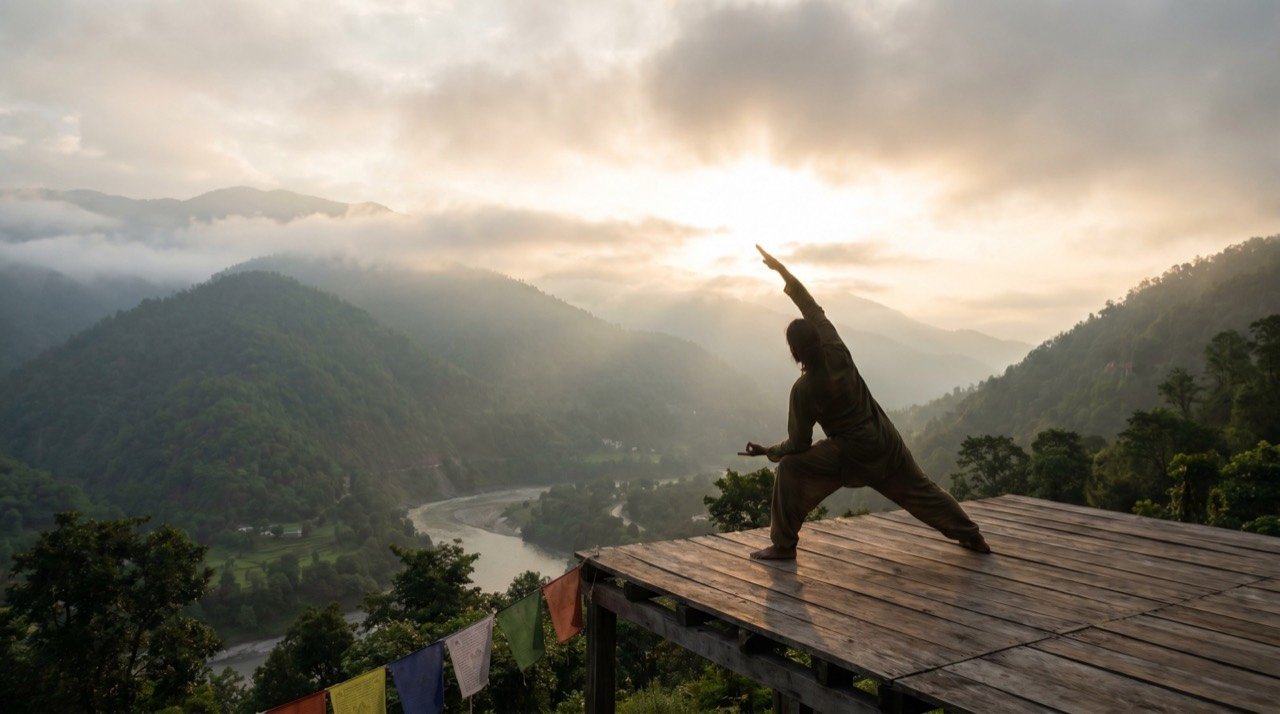
The monsoon arrived early in 2026, reaching Kerala on May 24 in the earliest onset since 2009, and travellers willing to swap sunshine for mist are being rewarded. The Western Ghats, that long green spine running down India's western edge, are at their most cinematic in the rains, and the off-season pricing makes this the most affordable window of the year to visit. For a country where domestic tourism has long been organised around the winter high season, an early and well-forecast monsoon is quietly reshaping the calculus of when it makes sense to travel to the hills.
An early monsoon changes the arithmetic
The significance of a May 24 onset in Kerala, the earliest since 2009, is not simply meteorological trivia. Airlines, hotels and travel platforms price the Ghats around a predictable rhythm of peak winter demand and monsoon lull. When the monsoon arrives on schedule or early, that lull becomes more reliable and more marketable, giving operators the confidence to drop rates rather than hold back inventory against the risk of a delayed or patchy season. This is part of why domestic flight fares are falling 30 to 50 percent against peak winter pricing on popular routes, and why hotel rates dip significantly from July into early September. For travellers, the practical upshot is that a long weekend in the Ghats now costs meaningfully less than the same trip would in December, without any compromise on the scenery that draws people there in the first place.
Below-normal rainfall forecasts add a second, less obvious layer to this pricing story. Lighter rainfall means fewer landslide closures and drier mornings, which in turn means fewer cancelled treks, blocked highways and stranded itineraries. For an industry that has historically treated monsoon travel as a niche, slightly risky proposition, a season that combines lower prices with more dependable road conditions is a rare alignment of factors.
The classics, transformed by rain
Munnar's tea plantations disappear and reappear behind moving curtains of cloud, while its hillsides run with seasonal waterfalls, a spectacle that simply does not exist in the dry months when the same slopes are static and dusty green. This is the essential case for monsoon travel in the Ghats: the rain is not an inconvenience layered on top of the destination, it is what makes the destination look the way it does in postcards. Closer to Mumbai and Pune, Lonavala, Mahabaleshwar and Malshej Ghat deliver valley views, birdlife and easy highway access, making them ideal for short monsoon escapes, a reminder that this is not a niche pursuit reserved for dedicated trekkers but a mainstream weekend option for two of India's largest urban populations.
Matheran, India's only vehicle-free hill station, is a particular monsoon pleasure, reached by toy train or a short trek and best explored on foot through the dripping forest. Its car-free character matters more in the rains than at any other time of year: without engine noise or exhaust, the sound of water on leaves and the smell of wet laterite soil become the actual experience on offer, rather than a backdrop to a drive-through visit.
Quieter corners reopen, but with caveats
Wayanad in northern Kerala has recovered and is welcoming visitors again, its misty forests drawing fewer crowds than Munnar, a distinction worth dwelling on because it points to a genuine trade-off within the region itself. Munnar's fame means it absorbs the bulk of monsoon footfall, while Wayanad offers a comparable landscape with more solitude for those willing to look slightly further afield. That said, the Chooralmala-Mundakkai area remains restricted after the 2024 landslides, a detail that should not be treated as a footnote. It is a standing reminder that recovery and reopening are uneven, and that some parts of even a "recovered" district remain genuinely unsafe or under restoration. Travellers drawn to Wayanad by the promise of quieter forests need to be clear-eyed about which specific areas are open and which are not, and to treat local advisories as binding rather than advisory in name only.
Alleppey, meanwhile, is at its most magical in June, when rain-speckled lagoons and quiet canals make for an unhurried backwater journey. Unlike the hill stations, Alleppey's monsoon appeal rests on stillness rather than drama, offering a different register of the same seasonal logic: the rains change how a place feels, not just how it looks.
Travelling smart in the wet season
Monsoon travel rewards flexibility. Road conditions in the Ghats are expected to be more predictable this year thanks to the lighter forecast, but leeches, slippery trails and the odd washed-out stretch are part of the experience regardless of how favourable the broader forecast looks. A below-normal rainfall year narrows the odds of disruption; it does not eliminate them. Carrying waterproofs and anti-slip footwear, and respecting local advisories on restricted zones such as Chooralmala-Mundakkai, remain basic preconditions for a safe trip rather than optional extras.
Booking refundable stays and keeping a buffer day in the itinerary takes the edge off the unpredictability that even a good monsoon year retains. This is practical advice with a wider point behind it: monsoon travel in the Ghats will never be as schedule-proof as a winter trip, and the honest sales pitch for it is not that the rains are risk-free this year, but that the risk is now smaller and the reward larger than usual. For those who can look past grey skies, the trade-off is generous: emptier viewpoints, fuller waterfalls and prices that make a long weekend in the hills feel almost guilt-free. The Western Ghats in the rain are not a compromise on a sunny holiday; for many returning travellers, they are the point.
What a tourism dividend means for a fragile ecology
There is a broader implication worth drawing out here, beyond the individual traveller's cost-benefit calculation. If cheaper fares and a favourable forecast genuinely succeed in pulling meaningful numbers of visitors into the Ghats during what has traditionally been a dead season, that represents a structural shift in how tourism load is distributed across the year. Spreading visitor numbers beyond the winter peak, in principle, eases the pressure that is otherwise concentrated into a few months on roads, water systems and waste infrastructure in hill towns that were never built for their current volumes. That is a genuine public good, not just a marketing angle, provided it materialises as a spread of demand rather than simply an addition to it.
But the same conditions that make this monsoon commercially attractive, an early onset and a below-normal rainfall forecast, are also markers of the climate volatility these landscapes are increasingly subject to. A below-normal season is a mercy this year; it is not a guarantee for the next. The Chooralmala-Mundakkai restrictions are the clearest possible illustration of what happens when rainfall, saturated slopes and unregulated construction combine, and that risk does not disappear because this particular year happens to be milder. Any push to normalise monsoon tourism in the Ghats needs to be paired with real limits on construction on unstable slopes, not treated as a separate policy conversation from the one about ticket prices and hotel discounts.
The NE Times View
Cheaper fares and an early monsoon make off-season Ghats travel genuinely appealing, and spreading tourism beyond peak months eases pressure on fragile hill ecologies. The flip side is real, as below-normal rainfall forecasts point to the climate stress these landscapes face, and a monsoon-tourism push must come with hard limits on the unchecked construction that has already made these slopes dangerously landslide-prone. Encouraging visitors into the Ghats in July and August without addressing that underlying vulnerability would be treating a symptom while ignoring the disease.
Key takeaways
- Kerala's earliest monsoon onset since 2009 (May 24, 2026) has made the Western Ghats' off-season the cheapest and most reliable window of the year to visit, with domestic fares down 30 to 50 percent and hotel rates dipping from July into early September.
- Munnar, Lonavala, Mahabaleshwar, Malshej Ghat and the car-free hill station of Matheran remain the classic monsoon draws, each offering a distinct version of the rain-transformed landscape.
- Wayanad has reopened to visitors and offers a quieter alternative to Munnar, but the Chooralmala-Mundakkai area remains restricted following the 2024 landslides, and Alleppey's backwaters are at their best in June.
- A below-normal rainfall forecast means fewer landslide closures this year, but travellers should still carry waterproofs, book refundable stays and respect local advisories.
- The same climate conditions that make this monsoon commercially appealing also underline the fragility of these slopes, meaning any tourism push must be matched by tighter controls on hillside construction.
You may also like to read
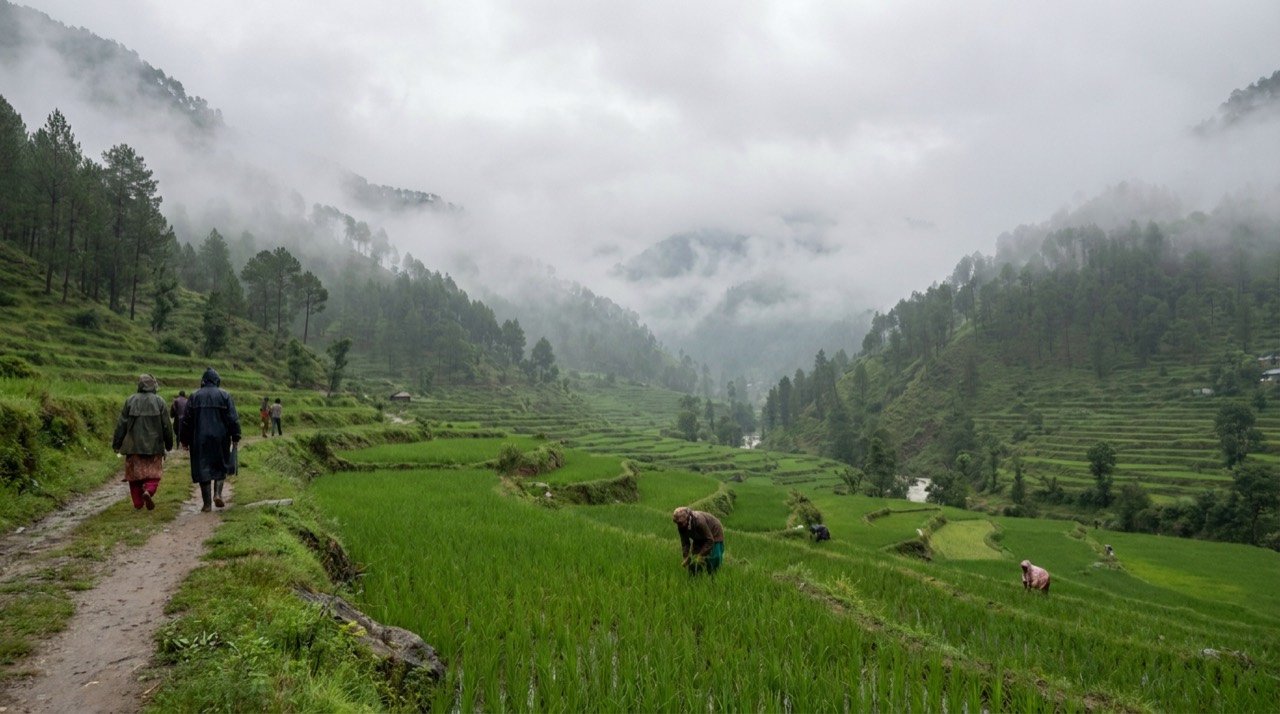
Misty Valleys and Cheaper Fares: India's Offbeat Monsoon Travel Boom in 2026
With domestic fares falling sharply and travellers seeking solitude, offbeat Himalayan hamlets, the rain-soaked Northeast and Ladakh's rain-shadow deserts are redrawing India's monsoon travel map in 2026.
The Smart Traveller's Secret: Why India's Monsoon Months Are the Cheapest Time to Roam
With fares down 30-50% and a milder rainy season forecast, savvy Indians are turning the off-season into the main event.
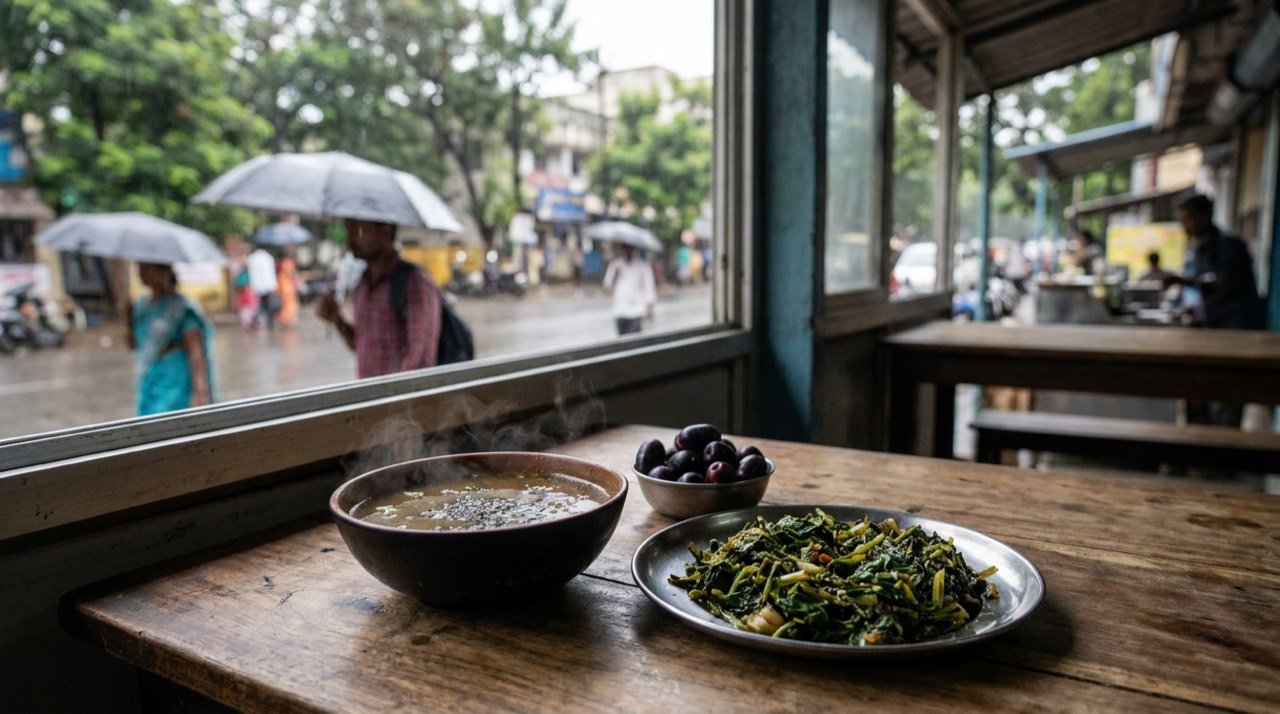
India's Monsoon Plate Returns to Its Roots as Seasonal Eating Goes Mainstream in 2026
From Kerala's ten-leaf stir-fries to jamun, rasam and warming spices, India's monsoon kitchens are blending ancestral ritucharya wisdom with the 2026 obsession with gut health and immunity.
Monsoon Home Care 2026: A Practical Checklist Before the Rains Settle In
From rooftop waterproofing to keeping electronics and wardrobes safe from damp, here is how Indian households are monsoon-proofing their homes this season.
More from this section
More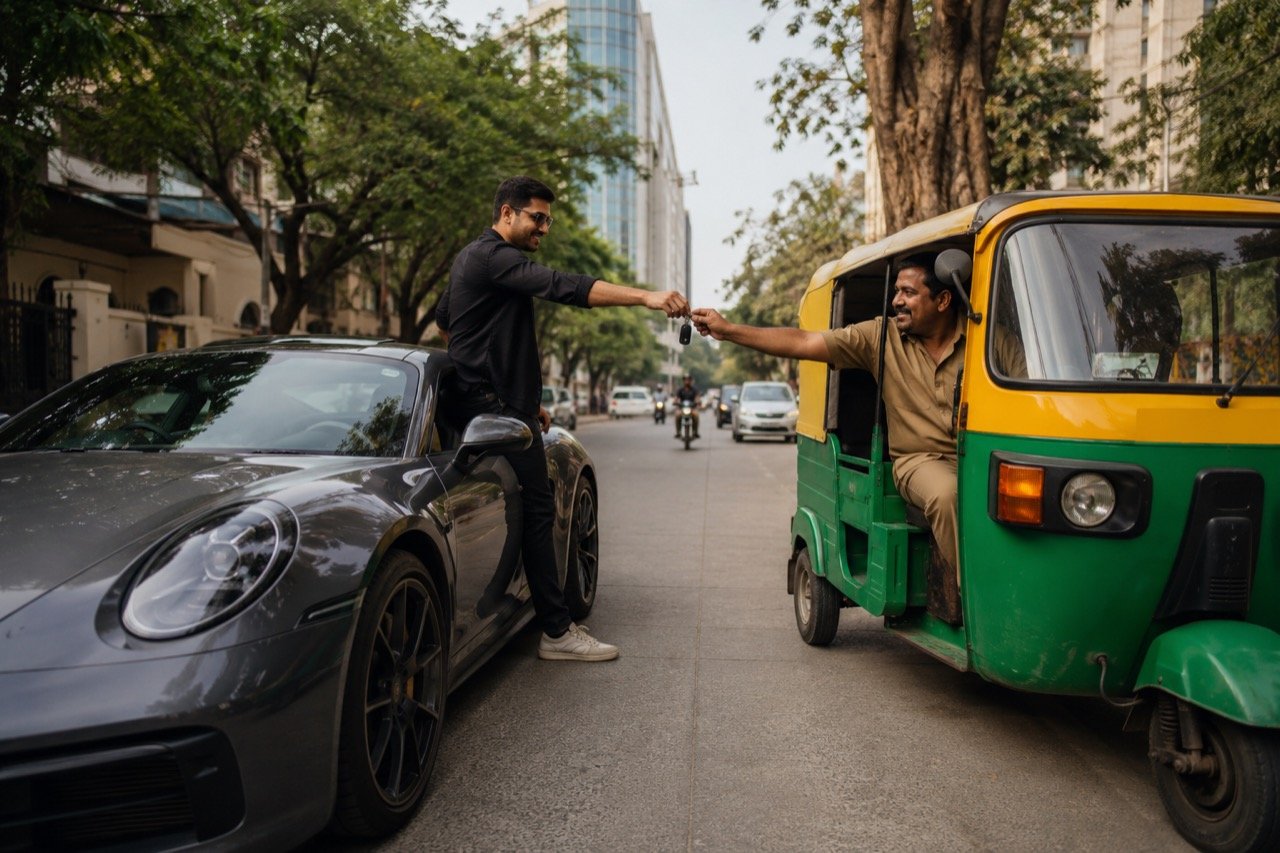
Bengaluru Lamborghini-Auto Swap: Entrepreneur's Gesture Goes Viral
A Bengaluru entrepreneur's spontaneous decision to trade seats with an auto-rickshaw driver, putting the cabbie behind a Lamborghini's wheel, has charmed social media and become the city's feel-good story of the week.
India's Monsoon Plate Returns to Its Roots as Seasonal Eating Goes Mainstream in 2026
From Kerala's ten-leaf stir-fries to jamun, rasam and warming spices, India's monsoon kitchens are blending ancestral ritucharya wisdom with the 2026 obsession with gut health and immunity.
Misty Valleys and Cheaper Fares: India's Offbeat Monsoon Travel Boom in 2026
With domestic fares falling sharply and travellers seeking solitude, offbeat Himalayan hamlets, the rain-soaked Northeast and Ladakh's rain-shadow deserts are redrawing India's monsoon travel map in 2026.