Slow Living and Wellness Travel Catch On With Urban Indians
Burnt out by always-on city life, a growing number of Indians are seeking quieter holidays, mindful routines and digital detoxes.
Commentary & Analysis ·
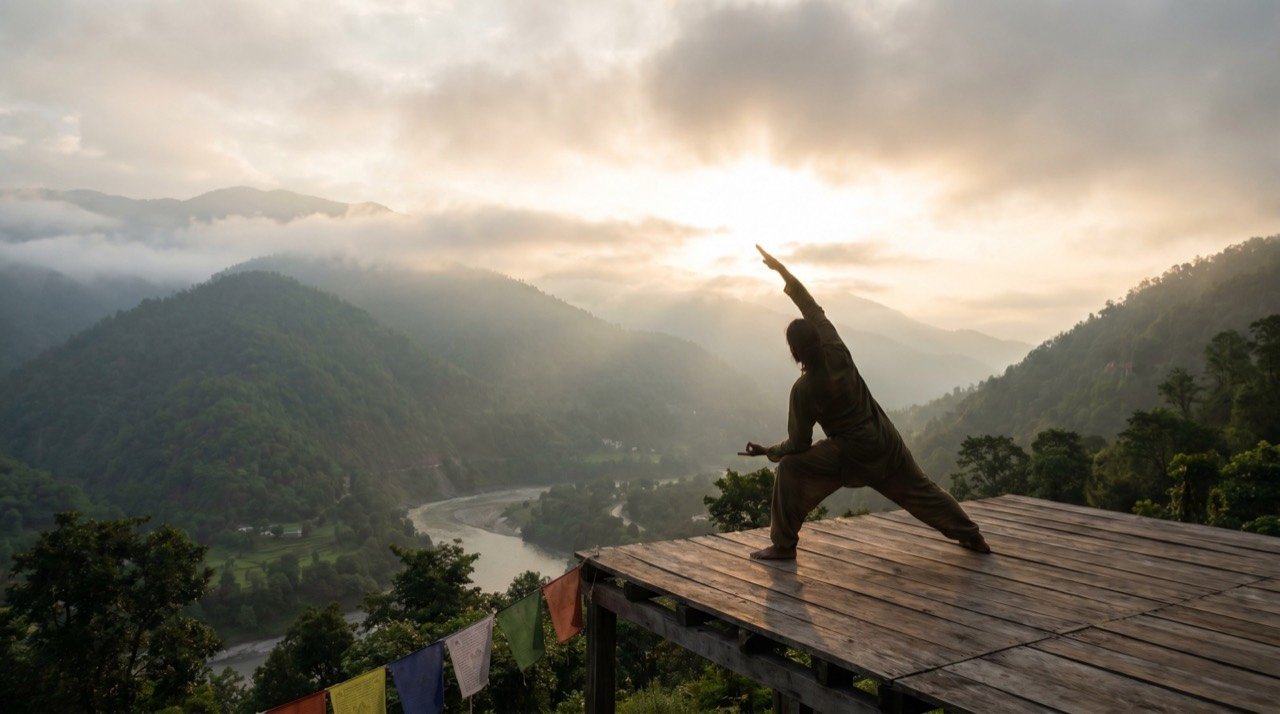
A quiet shift is underway in how urban Indians spend their time off: away from frantic sightseeing checklists and toward slower, more restorative escapes. Rather than cramming itineraries with attractions to tick off, a growing number of travellers are choosing to do less, stay longer in one place and return home feeling genuinely rested. Wellness retreats in the hills, yoga and meditation getaways, and 'do-nothing' holidays are seeing rising interest, particularly among young professionals seeking respite from always-on work culture. For those whose days are dominated by screens and deadlines, the appeal of unplugging in a calm setting has grown sharper.
The shift is worth pausing on precisely because it runs counter to the instincts that have long shaped Indian holiday-making. For decades, a "successful" trip was measured by density: how many monuments were seen, how many cities covered, how much was documented and shared. That a meaningful number of travellers are now actively choosing the opposite — fewer destinations, longer stays, deliberately empty days — suggests the underlying idea of what a holiday is for is being renegotiated, not merely the itinerary format.
What the trend looks like
The new preferences favour quiet over spectacle and restoration over activity. Travellers are gravitating toward destinations and formats that promise calm — mountain retreats, practices like yoga and meditation, and holidays deliberately stripped of obligations — in contrast to the densely packed trips that once defined a successful break. Underlying the shift is a reassessment of what time off is for, with rest itself, rather than sightseeing or status, increasingly treated as the goal.
This reframing matters because it changes the metric by which a holiday is judged a success. Where once the yardstick was the number of experiences accumulated, it is now the degree of recovery achieved. That is a subtle but significant inversion, and it explains why formats built around subtraction — fewer plans, fewer transfers, fewer photographs — are gaining traction even though they offer, on paper, "less" than a conventional multi-city tour.
Rest as a priority, not an afterthought
Hospitality operators have responded with offerings built around sleep, nutrition, movement and digital detox — a far cry from the packed itineraries of the past. By organising stays around well-being rather than attractions, providers are catering to guests who measure a good holiday by how recovered they feel afterward.
As one wellness coach put it: "A weekend retreat is a reset, not a cure. Real well-being is built in daily habits." That distinction is a useful corrective to any temptation to treat a single retreat as a solution in itself. It also points to a commercial opportunity and a commercial risk for the hospitality sector in equal measure: operators that build genuine, evidence-based programming around sleep and nutrition stand to build loyal repeat custom, while those that simply rebrand a standard hill-station package as a "wellness retreat" risk disappointing an increasingly discerning clientele.
Why it matters
The appetite for rest reflects a broader cultural conversation about burnout, balance and what a good life looks like in a hyper-connected age. As the boundaries between work and personal time blur, more people are questioning the pace of always-on living and looking for ways to protect their well-being, both on holiday and in everyday routines.
This is not happening in isolation. It sits alongside wider conversations in Indian workplaces about hours, expectations and the always-reachable nature of modern professional life. A holiday built around genuine disconnection is, in that context, as much a statement about the rest of the year as it is about the week away. The trend can be read as a symptom: if people are seeking recovery this deliberately on holiday, it says something about how depleted they feel the rest of the time.
The forms this trend is taking are worth setting out plainly, since they illustrate how comprehensively the idea has been operationalised across the travel and hospitality market:
- Wellness retreats in the hills
- Yoga and meditation getaways
- 'Do-nothing' holidays focused on rest
- Stays built around sleep, nutrition, movement and digital detox
Who is driving it, and who can access it
The demographic at the centre of this shift — young, urban professionals — is instructive. This is a cohort whose working life is defined by screens, deadlines and constant availability, and for whom the idea of a holiday with no agenda has become newly attractive precisely because unstructured time has become so scarce in ordinary life. It is also a cohort with the disposable income and flexibility to choose longer, calmer stays over the more frantic, ground-covering trips that budget and time constraints often used to necessitate.
That points to an important caveat. The rise of slow travel is real, but it is not evenly distributed. Digital detoxes, mindful retreats and extended single-location stays require both money and the kind of job that permits genuine disconnection — neither of which is universally available. For much of India's workforce, "time off" remains constrained by cost, leave entitlements and the practical difficulty of being unreachable. The trend, in other words, is a meaningful cultural signal, but it is currently a largely urban, upper-income phenomenon rather than a nationwide reordering of how holidays are taken.
The outlook
Whether the slow-living trend proves a lasting change or a passing mood, it signals a desire for balance that is unlikely to fade while work remains relentless. As experts note, a single retreat offers a reset rather than a cure — and the deeper test will be whether travellers carry the lessons of rest back into their daily lives.
That is the question worth watching closely in the months ahead. Wellness travel is easy to sell and easy to book; it is much harder to translate into sustained changes in how people work, sleep and structure their weeks once they are back at their desks. If the hospitality industry's investment in sleep- and nutrition-focused programming is matched by employers rethinking always-on expectations, the trend could mark a genuine cultural turn. If it remains confined to an annual or occasional purchase, it risks becoming little more than a pressure valve — useful in the moment, but leaving the underlying causes of burnout untouched.
The NE Times View
Slow living is a healthy correction to burnout culture, but let's be honest about who can afford it — digital detoxes and mindful retreats remain a largely urban, upper-income indulgence. The trend signals a real shift in how Indians value time over hustle. The interesting question is whether that mindset reshapes everyday work norms, or stays a weekend purchase for the few.
Key takeaways
- Urban Indian travellers are increasingly favouring slower, longer, less-scheduled holidays over checklist-driven sightseeing trips.
- Hospitality operators are redesigning offerings around sleep, nutrition, movement and digital detox rather than attractions and activities.
- The trend is concentrated among young, urban professionals with the income and flexibility to disconnect, making it more a lifestyle signal than a mass shift.
- Experts caution that a single retreat is a reset, not a cure, and lasting benefit depends on habits carried back into daily life.
- The real test ahead is whether this cultural shift toward valuing rest reshapes everyday work norms or remains an occasional, income-gated indulgence.
You may also like to read
Goodbye Six-Pack, Hello Mobility: India's Fitness Culture Grows Up in 2026
Pilates studios and functional-movement classes are outpacing traditional gyms as young Indians chase feeling good over looking good.
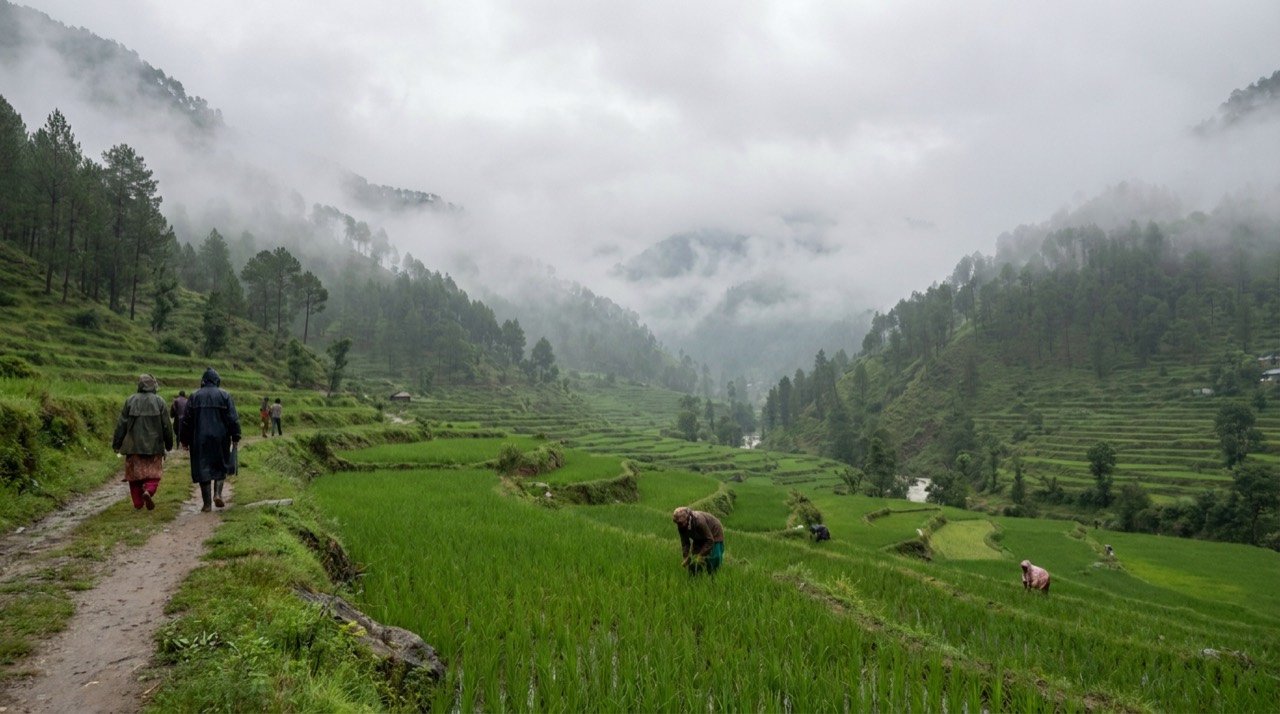
Misty Valleys and Cheaper Fares: India's Offbeat Monsoon Travel Boom in 2026
With domestic fares falling sharply and travellers seeking solitude, offbeat Himalayan hamlets, the rain-soaked Northeast and Ladakh's rain-shadow deserts are redrawing India's monsoon travel map in 2026.
The Smart Traveller's Secret: Why India's Monsoon Months Are the Cheapest Time to Roam
With fares down 30-50% and a milder rainy season forecast, savvy Indians are turning the off-season into the main event.
The Quiet Romance: How India Fell for Low-Pressure Dating in 2026
Grand gestures are out and emotional safety is in. A new wave of Indian daters is swapping high-stakes dinners for hobby workshops, slow-built trust and friends who vet the matches.
More from this section
More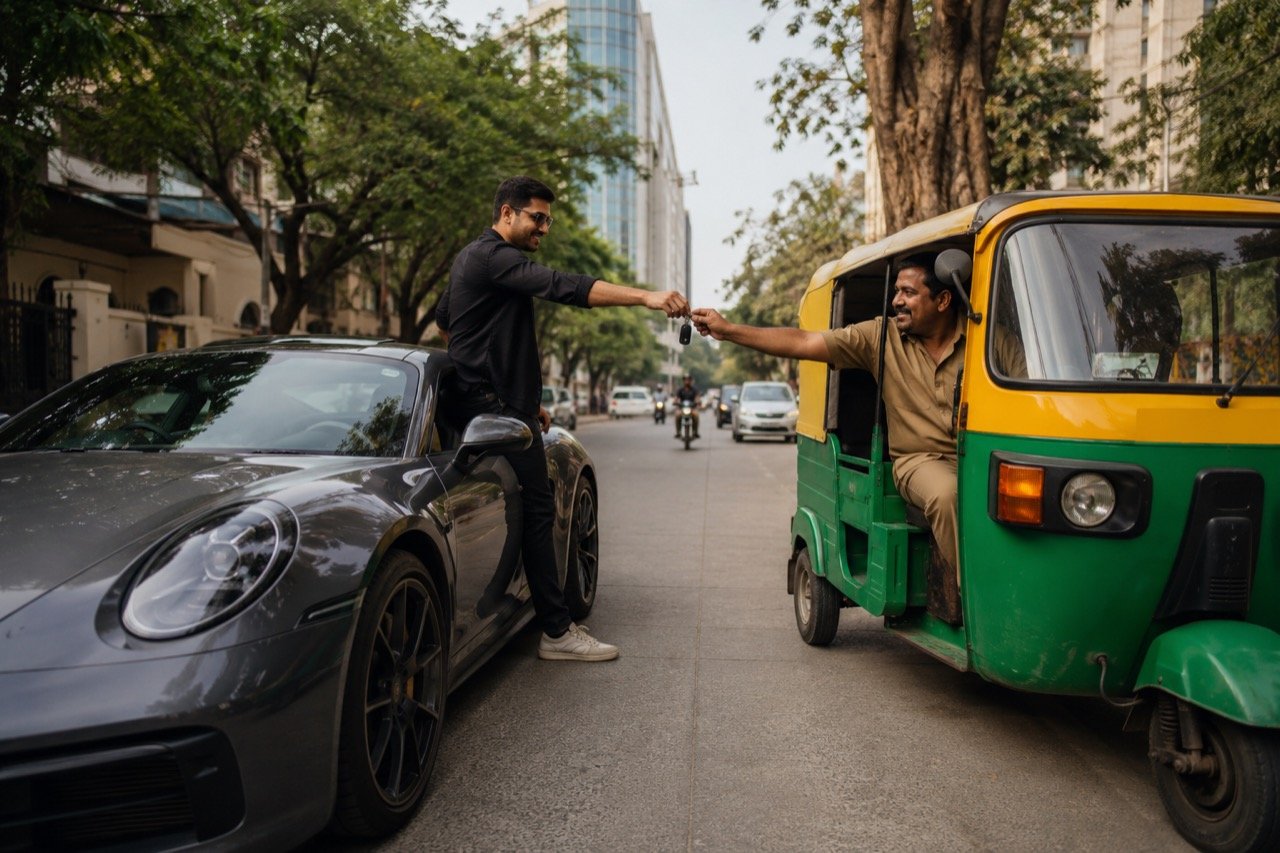
Bengaluru Lamborghini-Auto Swap: Entrepreneur's Gesture Goes Viral
A Bengaluru entrepreneur's spontaneous decision to trade seats with an auto-rickshaw driver, putting the cabbie behind a Lamborghini's wheel, has charmed social media and become the city's feel-good story of the week.
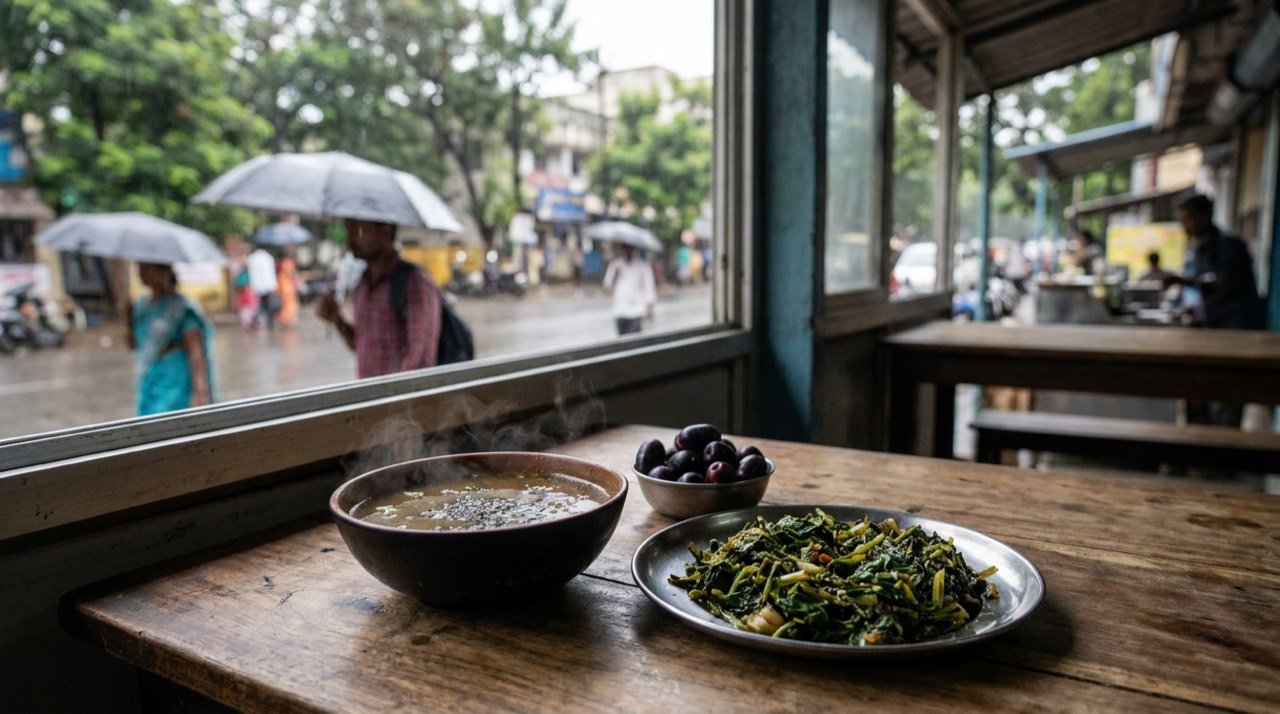
India's Monsoon Plate Returns to Its Roots as Seasonal Eating Goes Mainstream in 2026
From Kerala's ten-leaf stir-fries to jamun, rasam and warming spices, India's monsoon kitchens are blending ancestral ritucharya wisdom with the 2026 obsession with gut health and immunity.
Misty Valleys and Cheaper Fares: India's Offbeat Monsoon Travel Boom in 2026
With domestic fares falling sharply and travellers seeking solitude, offbeat Himalayan hamlets, the rain-soaked Northeast and Ladakh's rain-shadow deserts are redrawing India's monsoon travel map in 2026.