Opinion: India's Growth Decade Will Be Won or Lost on the Basics
Headlines celebrate record markets and unicorns — but the real story is whether jobs, schools and cities can keep pace with the hype.
Commentary & Analysis ·

It is a heady time to read the business pages. Markets are at records, foreign money is flowing back, and a steady drumbeat of funding rounds suggests the startup engine is humming again. After a stretch of global uncertainty, the mood among investors and commentators has tilted sharply toward optimism, and the temptation is to declare the decade already won before it has properly begun.
But the numbers that will matter most over the next ten years are not on the ticker. They are in classrooms, clinics and on factory floors — in whether a young and ambitious workforce can find the jobs, skills and infrastructure to match its aspirations. India's demographic moment is real, but a large young population is an opportunity only if it can be educated, employed and housed in productive cities. Otherwise the same youth bulge that excites economists becomes a source of frustration and idle potential.
The hard, unglamorous work
Building that future is slow and unglamorous. It means schools that teach, cities that move, power that stays on, and rules that are predictable. None of it makes for a dramatic headline. All of it determines whether the headlines hold up. Market rallies can turn on sentiment and global liquidity; the quality of a primary school or the reliability of an electricity grid changes only through years of patient administration, funding and follow-through.
This is why the gap between the celebratory narrative and the lived experience matters. Record indices and unicorn counts capture the upper reaches of the economy, but the broader test is whether prosperity spreads to the many people who never appear in a funding announcement. Productive jobs, functional public services and dependable infrastructure are the connective tissue between headline growth and household reality.
“Growth that does not reach the many is a statistic, not a story.”
Why it matters
The distinction is not academic. An economy that grows in aggregate while leaving large numbers of workers stuck in low-productivity, informal work risks building optimism on a narrow base. Investment can flow in quickly and out just as fast; the institutions that create durable opportunity — education systems, public health, urban planning and a stable regulatory environment — are far harder to build and far easier to neglect when the mood is buoyant.
- Education and skills: whether schools and training pipelines actually equip young workers for the jobs the economy is creating.
- Jobs: whether growth translates into formal, productive employment rather than precarious informal work.
- Cities and infrastructure: whether urban transport, housing and reliable power keep pace with a rising and increasingly mobile population.
- Predictable rules: whether the regulatory environment stays stable enough to reward long-term investment.
The outlook
The optimism is not misplaced — India has earned it, and the confidence visible in markets reflects genuine progress. But optimism is a starting point, not a strategy. Sustaining it will require the unglamorous, incremental work that rarely commands attention: improving what happens inside classrooms and clinics, and making cities and systems work for the people who depend on them every day. The decade will be won, in the end, on the basics.
The NE Times View
This is the argument that matters. Record markets and unicorns are easy to celebrate, but a growth decade collapses without jobs, schooling and liveable cities to absorb a young workforce. India's demographic dividend turns into a liability if education and employment lag the hype. The basics are unglamorous and politically thankless — which is exactly why they get neglected, and exactly why they decide the outcome.
You may also like to read
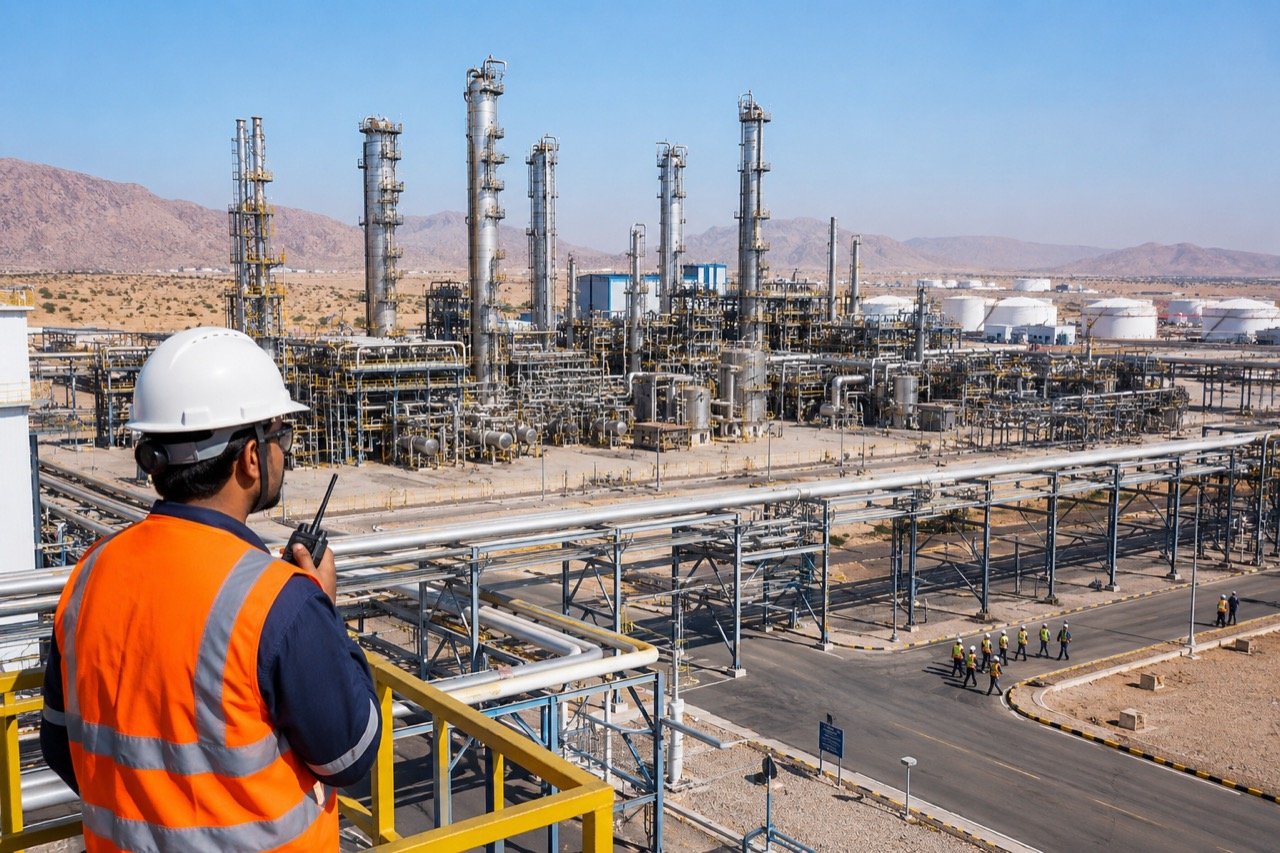
Modi Opens Pachpadra Refinery: Energy Security and Jobs at Stake
Prime Minister Narendra Modi has inaugurated the HPCL Rajasthan Refinery at Pachpadra, a mega project that puts India's energy security, industrial investment and regional employment squarely in the spotlight.
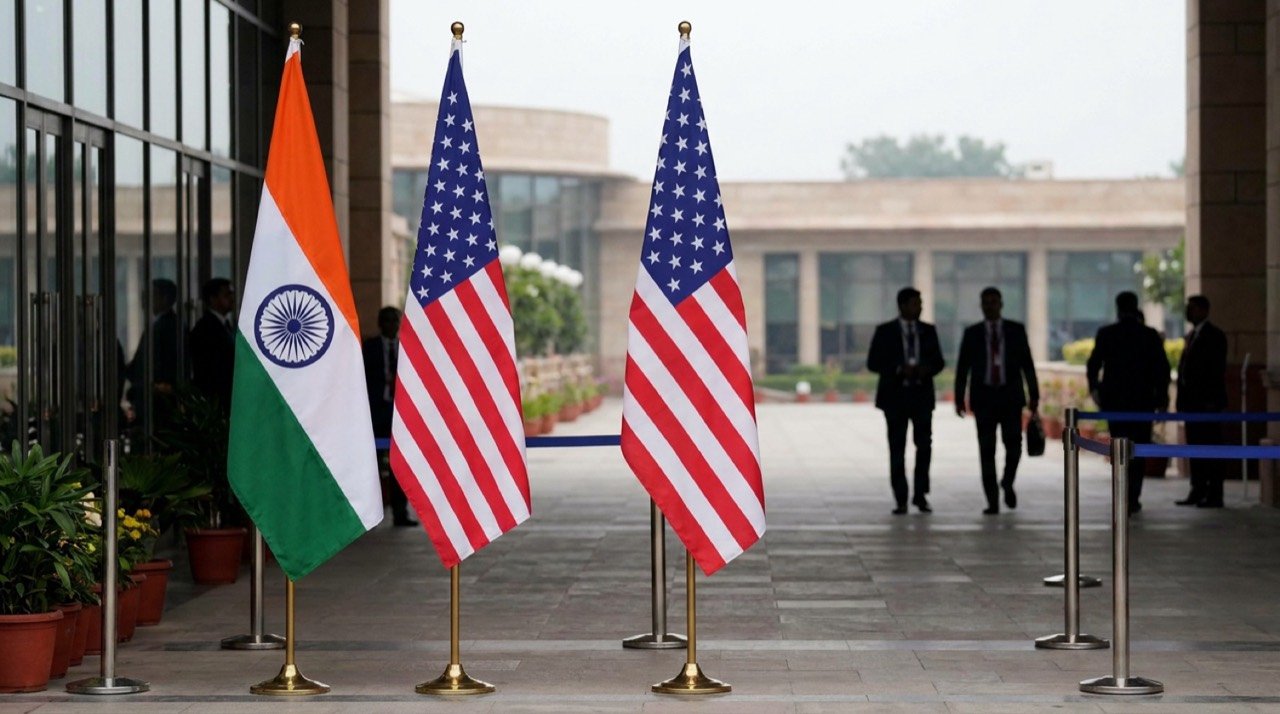
India and US Resume High-Level Trade Talks in Delhi to Finalise First Phase of Pact
Commerce Minister Piyush Goyal says his US counterpart is in Delhi for ministerial talks, with reports naming USTR Jamieson Greer for two days of negotiations on tariffs and market access.

India-US Trade Talks Enter Final Lap as Limited Deal Takes Shape
Negotiators in New Delhi and Washington push toward a limited trade pact that could ease tariffs and widen market access for India's textiles, gems, engineering goods and farm exports.

Central Bank 'Super Week' Exposes Deep Rift in Global Monetary Policy
Five major central banks set rates within eight days as an oil shock pushes the ECB to hike, the Fed to hold amid dissent and the Bank of Japan toward a defensive move.