The Northeast Is Learning to Plan for Itself, Not Wait to Be Planned For
A new Kamakhya access road and Meghalaya's youth-first sports conclave both show proactive planning, but neither means anything without budgets and follow-through.
Opinion & Analysis ·
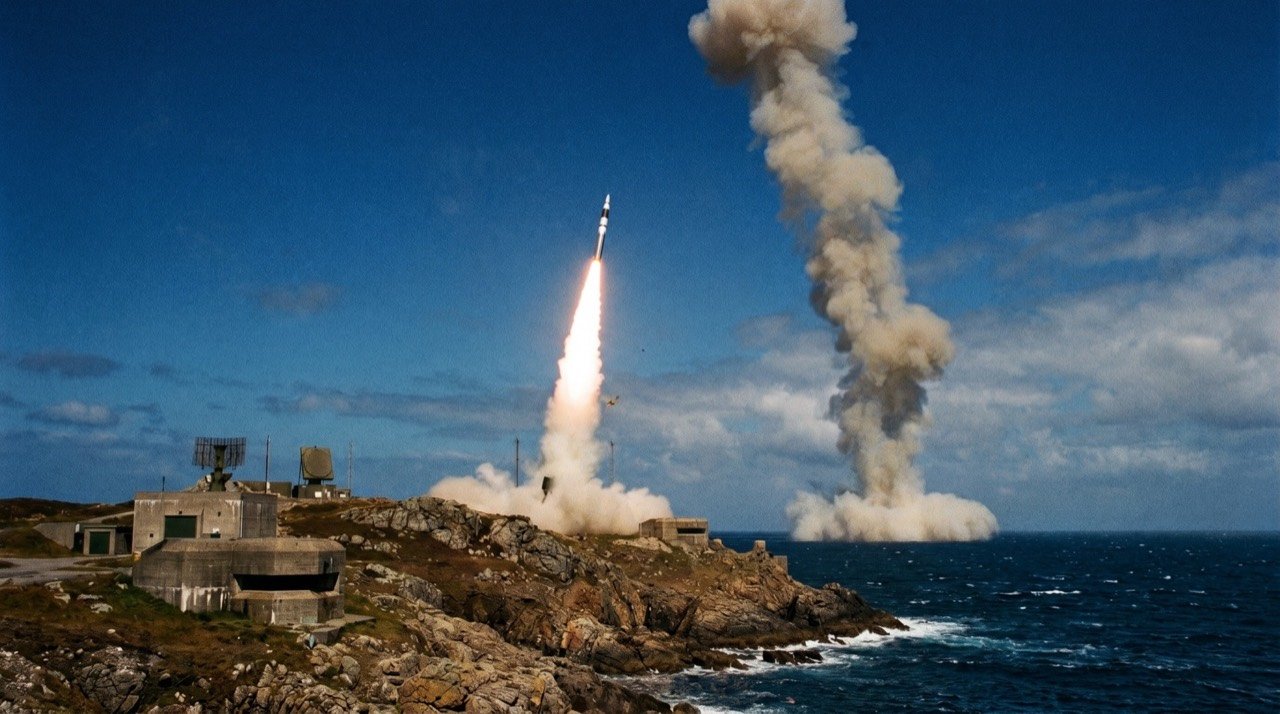
Two stories out of the Northeast this season look, on the surface, unconnected: a temple road in Guwahati and a policy conclave in Shillong. Look again and they describe the same phenomenon from opposite ends. Assam is learning to build infrastructure ahead of a crowd it can already see coming; Meghalaya is trying to build a pipeline for young people whose potential it cannot yet see at all. Put the two together and a case emerges that the Northeast is starting to plan for itself, on its own terms, rather than remaining a footnote to national planning. Whether that ambition survives contact with budgets and follow-through is the real question, and it is one the region's own record suggests we should ask before we celebrate.
A hilltop learns to manage its own crush
The preparations for Ambubachi Mela 2026 at the Kamakhya Temple are, on their face, a logistics story. Lakhs of pilgrims, sadhus and tantriks converge on Guwahati's Nilachal Hills for four days, and the temple's sanctum closes and reopens according to a ritual calendar nobody controls. What authorities can control is how people move up and down the hill, and this year they added a second approach road from the Pandu side to relieve the long-standing Nursery route. That is a small, almost unglamorous decision. It is also the correct one, and it matters more than its size suggests.
For years, festivals of this scale across India have been defined by failures of crowd management rather than successes. A state that adds a second access route before the rush arrives, rather than after something has gone wrong, is doing the unfashionable but essential work of governance: anticipating friction and designing it away. The camps for visiting sadhus and the coordinated planning across security, sanitation, accommodation and transport all point to an administration that has stopped treating Ambubachi Mela as an annual inconvenience and started treating it as an asset to be managed properly.
Faith as infrastructure, not just tradition
It is worth stating plainly what Kamakhya represents. Ambubachi Mela is described, not without reason, as the Mahakumbh of the East, and it draws devotees not only from Assam but from West Bengal, Bihar and Uttar Pradesh. That is a national pilgrimage circuit running through a Northeastern hill town, and it is precisely the kind of asset the region has historically undersold. The Northeast's tourism conversation tends to default to nature, tea gardens, wildlife, misty hills, as though faith tourism belonged to other parts of the country. Kamakhya's tantric heritage and its pull as a Shakti Peeth argue otherwise.
This reframing deserves to be deliberate rather than incidental. A festival that already draws lakhs of pilgrims across state lines is a tourism engine that has run for decades without the recognition, or the sustained investment, a comparable pilgrimage circuit elsewhere in India would attract. The new access road should be read as a first instalment on that recognition, not a one-off fix for a single festival cycle.
Shillong makes the harder argument
If Kamakhya shows the Northeast managing a crowd it already has, the Meghalaya Sports Conclave 2026 shows it trying to build one it does not yet have; a generation of young athletes, coaches and sports professionals drawn from hill, rural and tribal communities that have rarely been the starting point for national sporting policy. The conclave's decision to frame sport as youth development and social policy, rather than a medals count, is the more intellectually serious of the two stories, because it resists the easiest and most common failure mode in Indian sport: chasing podiums while ignoring the base of the pyramid.
Embedding sport into the school day rather than treating it as an optional extra, as the conclave discussed, is the correct instinct precisely because it is the only approach that does not quietly favour families who can already pay for private coaching. In a state defined by dispersed hill settlements, that distinction between reaching the visible few and reaching the enrolled many is not a technicality. It is the whole argument.
The honest counterargument: conclaves are cheap
We should not pretend the sceptical case is weak. Conclaves produce communiqués, not coaches. Facilities announced with fanfare have a well-documented tendency to go unmaintained once the ribbon is cut, and the harder problems Meghalaya's own conclave identified, training coaches at scale, scouting talent in remote terrain, and delivering genuinely equal access for girls, are precisely the problems that photo opportunities cannot solve. Public-private partnerships, floated as the funding mechanism, carry their own risk: private capital tends to gravitate toward visible, commercially attractive sports and towns, which is the opposite of the grassroots, tribal-region reach the conclave says it wants.
The same scepticism applies, in a gentler form, to Kamakhya. A new road is a genuine improvement, but it is also the easiest kind of intervention, a single monsoon-season construction project rather than a sustained annual investment in Guwahati's civic capacity to host lakhs of visitors safely, year after year, as the festival's popularity presumably grows.
What should happen next
The test for both stories is identical, and it is not whether the announcements were well-intentioned. It is whether anyone checks back. For Meghalaya, that means state budget cycles should be watched for whether funding actually follows the conclave's stated priorities, whether school integration shows up in timetables reaching rural schools rather than only urban ones, and whether a facility announced this year is still staffed and usable a year or two from now. For Assam, it means the Pandu route should be judged not on its opening night but on whether it reduces congestion at peak hours as intended, and whether Guwahati's civic planning around Kamakhya becomes a standing annual commitment rather than a pre-festival scramble repeated each June.
Both stories would benefit from the same external discipline: independent, published follow-up a year on, not another conclave and not another press note, but a plain accounting of what got built, staffed and used.
The bottom line
- Assam's new Pandu access route to Kamakhya and Meghalaya's youth-first sports conclave both signal a Northeast willing to plan proactively rather than react to crises, and that shift deserves recognition.
- Kamakhya's pull across state lines shows the Northeast has an underused faith-tourism asset worth sustained investment, not just festival-season fixes.
- Meghalaya's framing of sport as social policy rather than medal-chasing is the right instinct, but public-private funding risks favouring visible programmes over tribal and remote communities.
- Neither story means anything without follow-through: watch the next budget cycle and the next festival season, not the next announcement.
You may also like to read
Aadhaar's 31 Million Downloads Are the Quiet Engine of India's Payments Ambition
India's digital payments push is really an identity project in disguise, and the country is scaling it faster than it is building the privacy guardrails to match.
Aadhaar's Convenience Must Not Outrun Its Consent
Thirty-one million Aadhaar downloads and a relaunched Aarogya Setu prove Indians want digital identity — but adoption is not proof that consent is being honoured.

What Reality TV Says About Us Is Not Flattering
India has made conflict and manufactured humiliation its top entertainment choice, and the genre's own warm hits prove that was never the only way to win.

Bollywood's Box Office Reckoning: Brand Names Buy Weekends, Not Loyalty
Alpha's soft Rs 9 crore opening and Welcome To The Jungle's flashy Rs 70 crore milestone are the same warning dressed differently: brand names buy a first weekend, never a second one.